featured projects
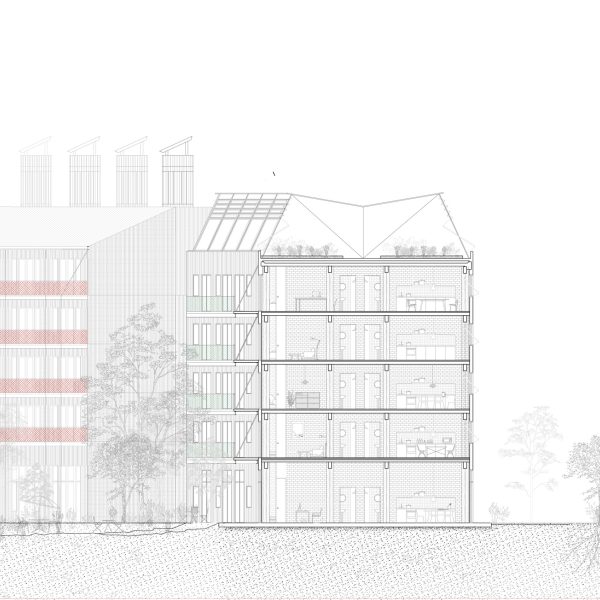
Adrian Krieg, Three Unequal Siblings
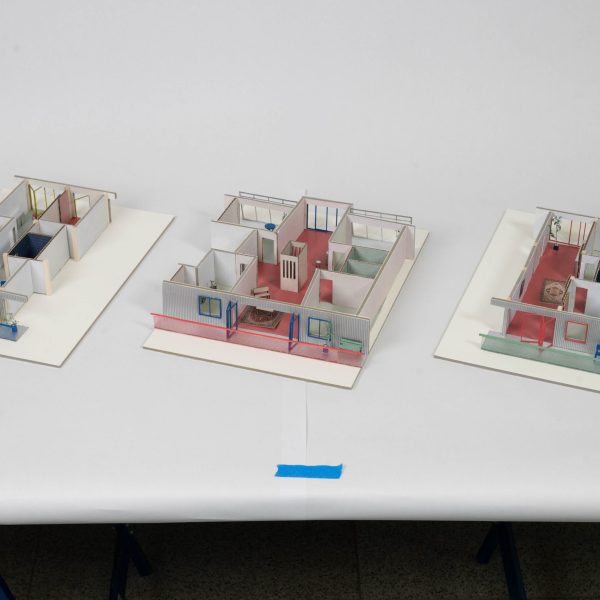
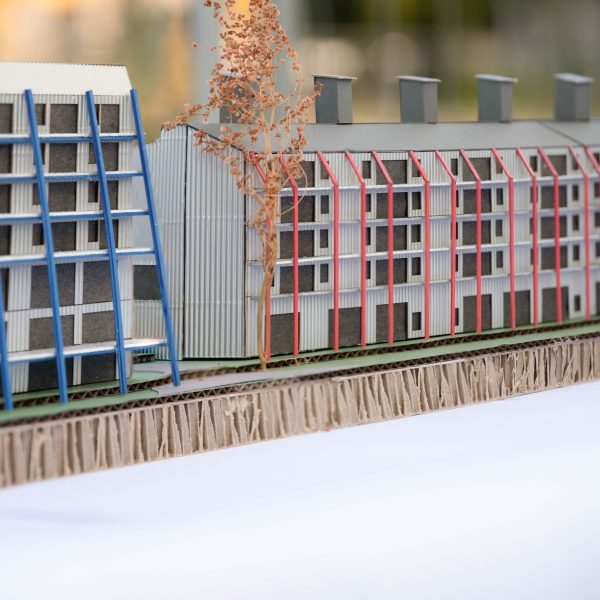
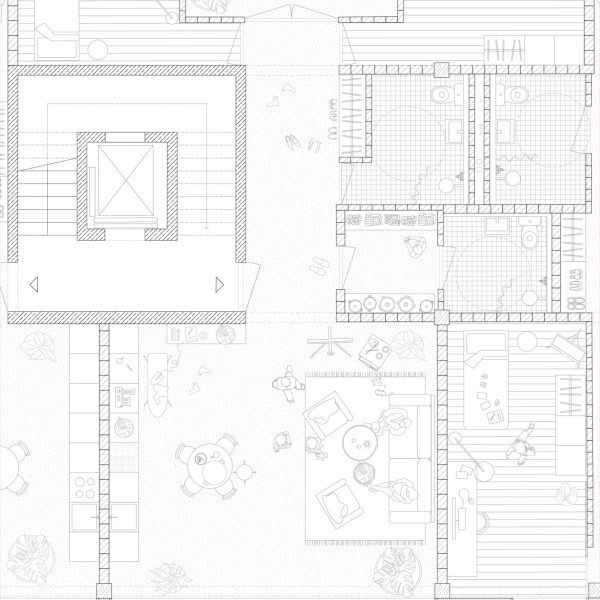
hree Unequal Siblings explores how contemporary housing can respond to a changing climate through passive, low-tech strategies. Three residential buildings along the street at the Juliusturm share the same typology but develop distinct architectural identities.
Each house proposes a different approach to natural cooling: a planted façade as a green filter, a central wind tower that enhances natural ventilation, and a cool roof with a communal rooftop garden.
Together, the buildings form a family of related yet individual architectures, creating a transition between the urban edge and the landscape while offering generous, climate-responsive spaces for living.
Architettura Design Workshop, TIGROS HEADQUARTERS
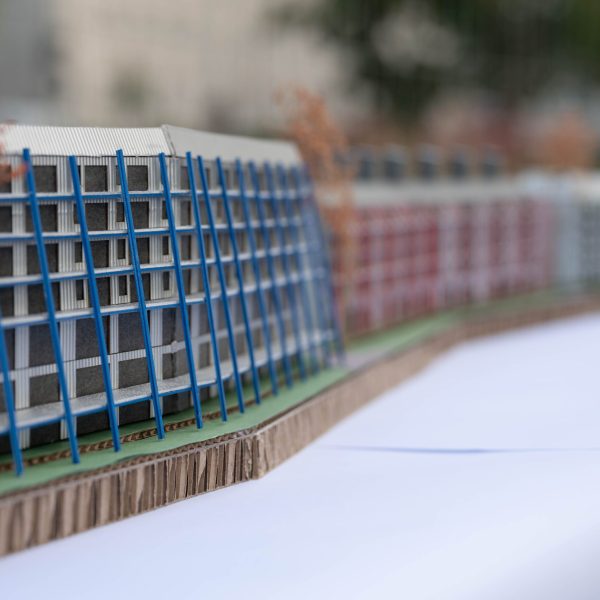
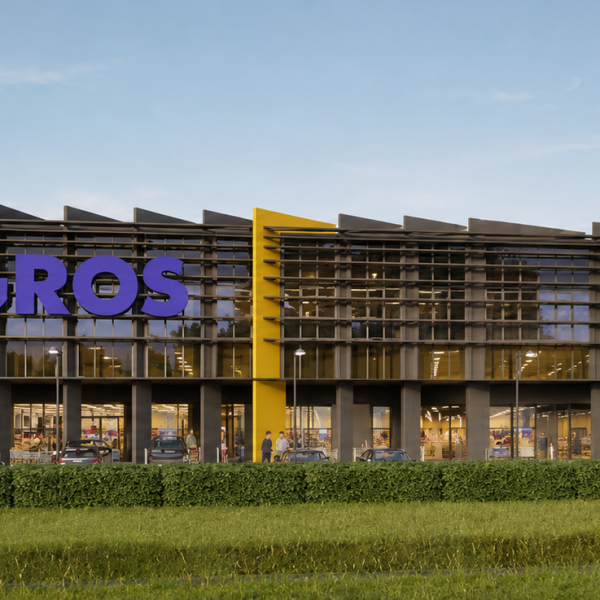
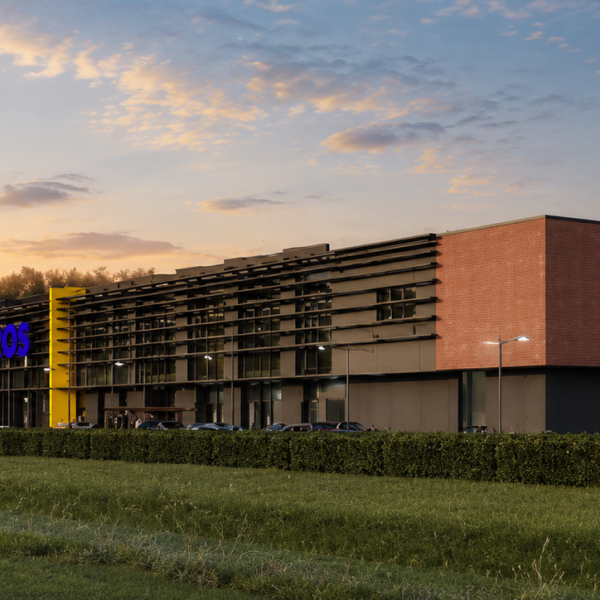
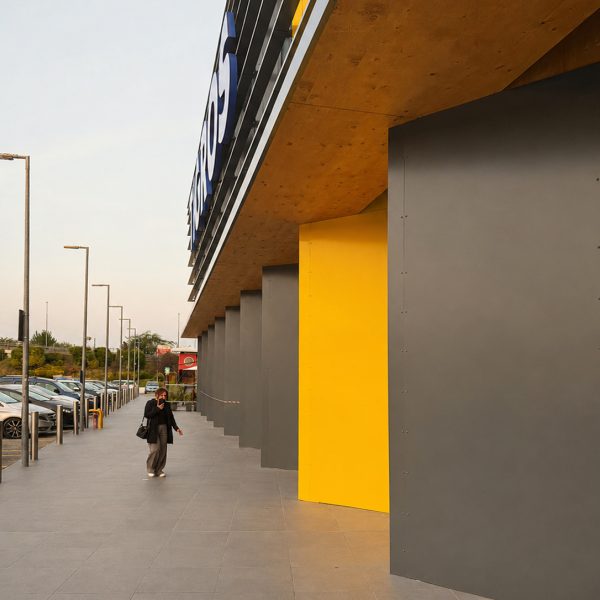
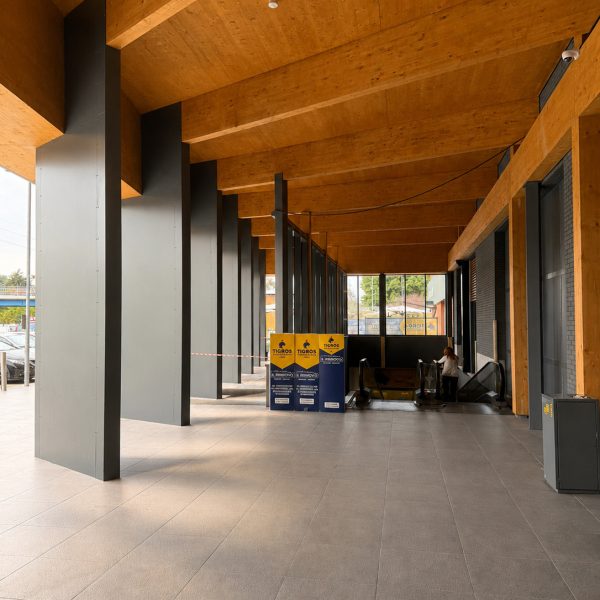
Architettura Design Workshop (ADW), led by architects Mauro Esposti and Mirko Pivato, designed the renovation of the Tigros headquarters in Solbiate Arno (Varese, Italy), one of the company’s most representative buildings thanks to its strategic location and prominent visibility from the motorway.
The intervention was conceived to redefine the building’s architectural language, transforming it into an element capable of communicating the company’s values with clarity and immediacy. Rather than a simple aesthetic refurbishment, the project interprets the façade as a contemporary communication device, capable of strengthening the company’s identity through architecture.
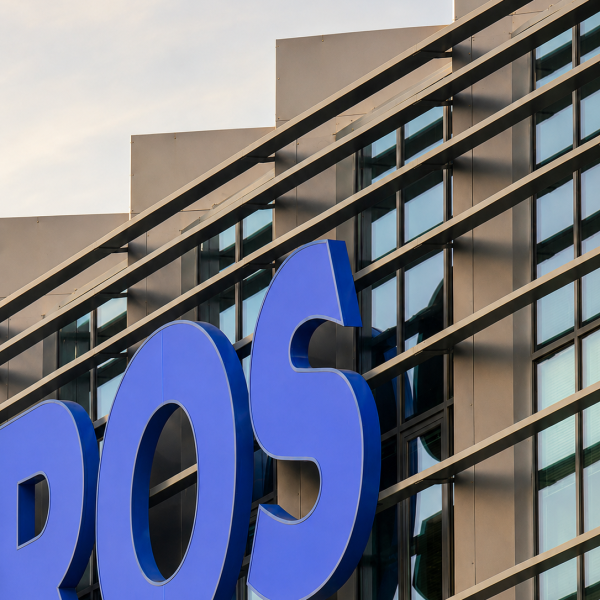
Characterized by a strong horizontal composition, the existing building has been reinterpreted through the introduction of a sequence of vertical elements integrated with a brise-soleil system. Beyond improving the building envelope’s bioclimatic performance and enhancing indoor comfort, these elements establish a new architectural identity that continuously changes as the building is experienced from the motorway.
The gradual rotation of the shading elements generates a kinetic effect, constantly altering the perception of the façade according to the observer’s viewpoint. As a result, the movement of passing vehicles becomes an integral part of the architectural experience, transforming the façade into a dynamic and highly recognizable landmark. As with many projects developed by ADW, this intervention is based on the principle of subtraction: a limited number of carefully calibrated architectural elements are sufficient to create an essential, balanced, and strongly recognizable architectural language. The quality of the project lies not in the accumulation of forms, but in their careful selection and precise composition.
The new façade also extends the material palette that ADW has developed over the years for numerous Tigros stores, combining glass, timber, and metal surfaces into a coherent architectural language. This material consistency conveys transparency, solidity, innovation, and quality, reinforcing the company’s architectural identity throughout its retail network.
The collaboration between Architettura Design Workshop and Tigros has continued for many years through numerous projects developed in close cooperation with the company’s in-house technical department. This long standing partnership has progressively shaped a distinctive architectural language that has become recognizable and is now reflected in the group’s most recent developments.
The construction process was equally significant. The renovation was completed within an exceptionally short timeframe without interrupting the operation of the shopping centre, ensuring the continuous activity of one of the most important and strategically relevant locations within the Tigros network.
For Architettura Design Workshop, commercial architecture represents the intersection of built space, design, and visual communication. In this project, the façade transcends its purely functional role to become a powerful expression of the company’s identity, establishing an ongoing dialogue with the surrounding landscape, its users, and the thousands of people who travel daily along this major transportation corridor.
ČECHVALA ARCHITECTS, RDH
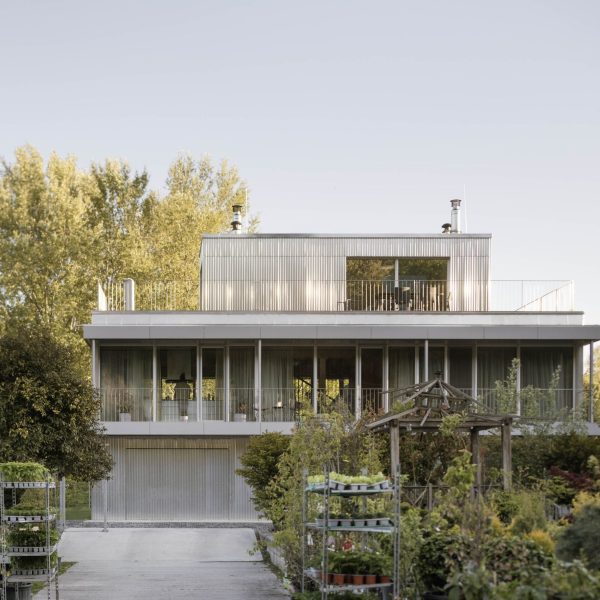
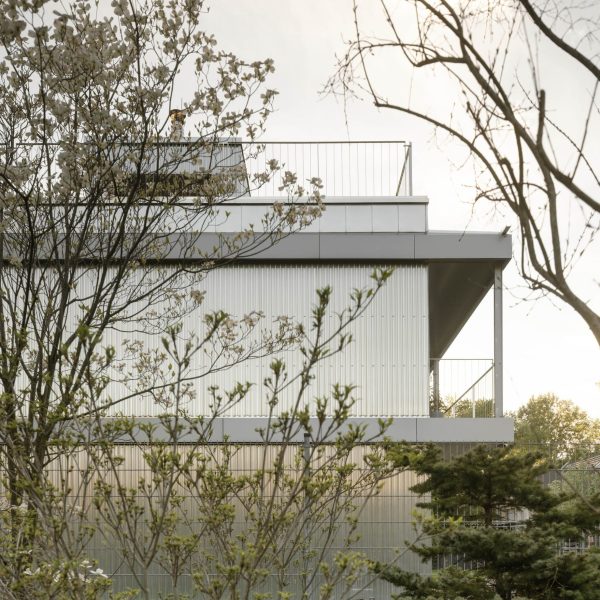
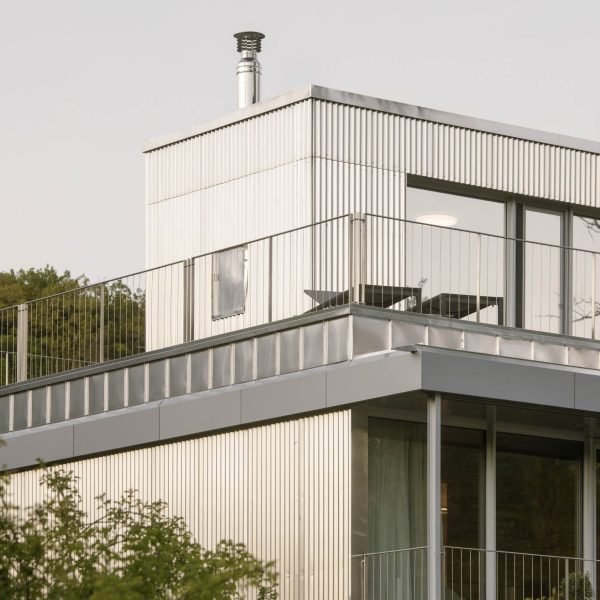
The family house is located in the Sihoť area on Devínska cesta, in an environment where the end of the Carpathian massif meets the Danube branch. The land offers exceptional views of two different landscapes and is located in an exposed position in the immediate vicinity of famous horticulture.
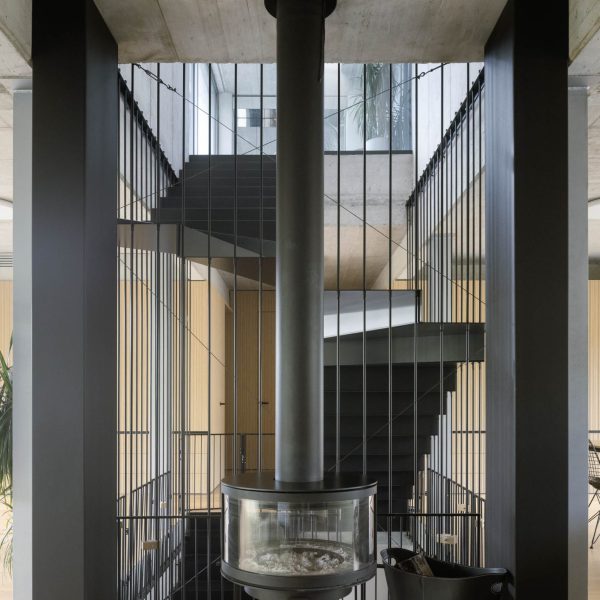
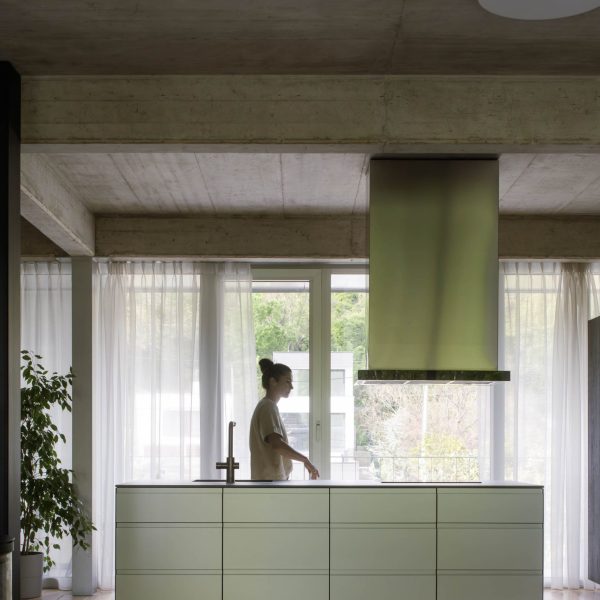
The character of the building is defined by the use of untreated raw aluminum, which wraps around all solid parts of the facade. Both the corrugated sheet metal and the window frames react to changing light conditions and reflect the color of the surrounding landscape, which constantly changes with the light conditions throughout the day. This gives the house the ability to naturally blend into its environment.
The facade is designed according to a clearly defined system of three modules, which is also reflected in the structural design of the building. The unified modular principle connects the architectural expression with the supporting structure, the division of space, and the built-in furniture, thus creating a consistent character of the entire building.
Anna Lazar Studio, Vegan Cafe Goodies
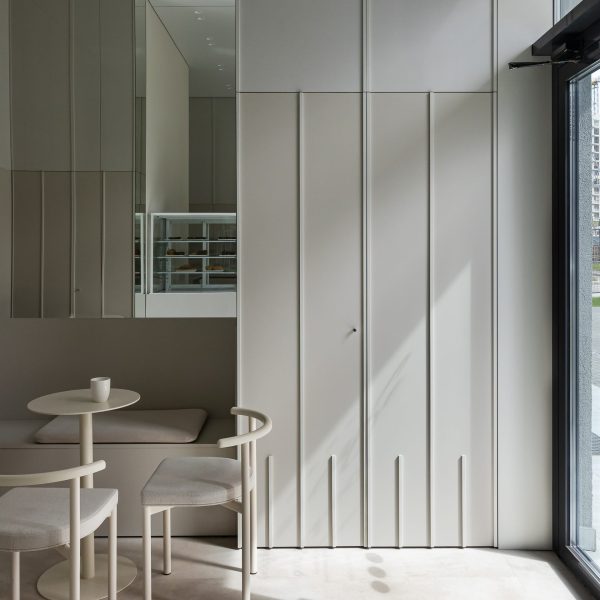
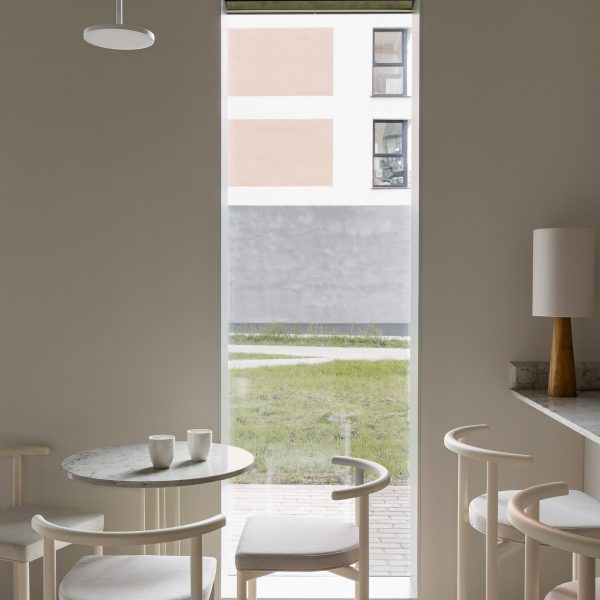
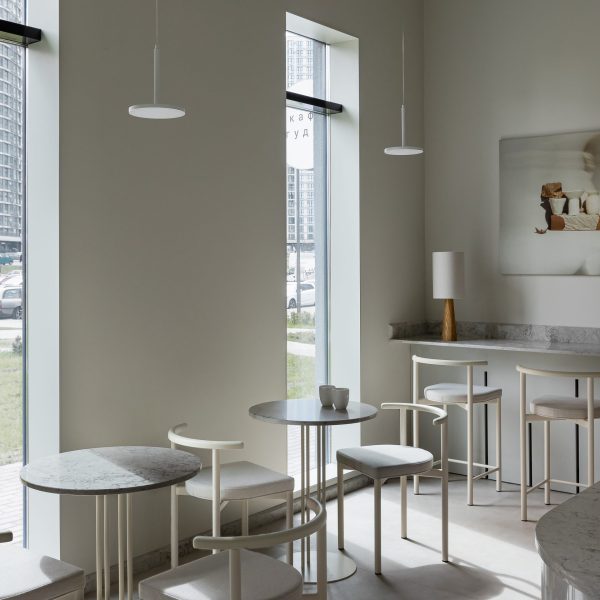
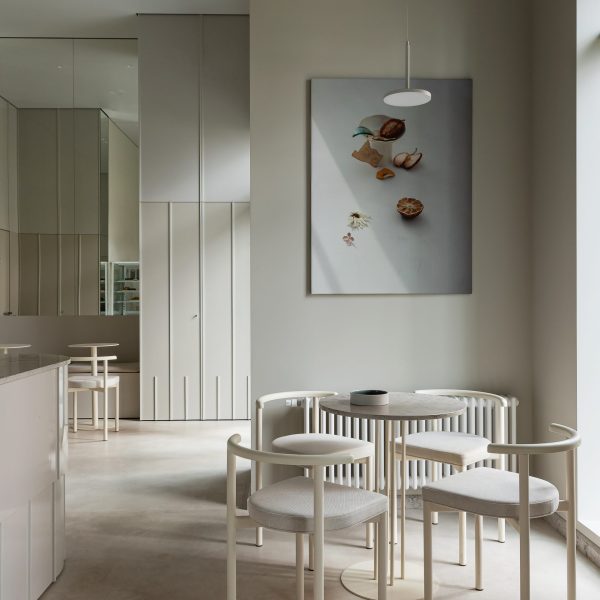
While working on the interior of this vegan café, I wanted to create a calm and light-filled space where people could slow down a little from the rhythm of the city. Without visual noise or unnecessary details — just light, air, and a sense of comfort.
The interior is based on a soft neutral palette with warm ivory tones, natural stone, matte surfaces, and daylight. It was important for me to keep the atmosphere visually light and спокойной throughout the day.
The high ceilings and large windows became one of the key features of the space, so I focused on emphasizing the vertical proportions while keeping as much openness and air as possible. The lighting is intentionally delicate — the fixtures do not dominate the interior but simply support the mood of the space.
The furniture was selected to feel light and simple in form. Round tables, thin chair frames, and soft fabrics help the café feel open and relaxed. I wanted the space to feel more like a quiet urban retreat than a traditional café — a place for coffee, conversation, or working peacefully for a while.
Reflections and materials also played an important role. Mirrors help expand the interior and bring in more light, while natural textures add warmth and softness. Even the technical elements were integrated as discreetly as possible to preserve the calm and cohesive atmosphere.
For me, this project is about simple aesthetics and comfort without unnecessary accents.
Atelier Havlová-Nikerle, Make the Most of It
Frederik Daňko, Lea Šikulová, Matěj Vaněk, Jan Ryček, Michaela Suchá, Martina Iva Šoltova
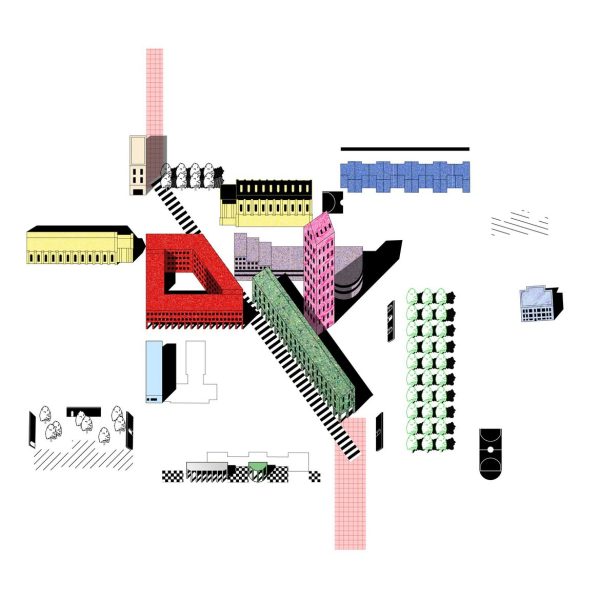
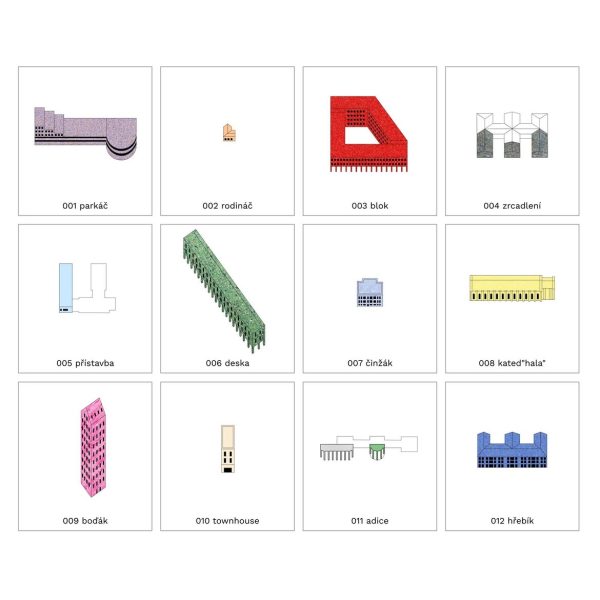
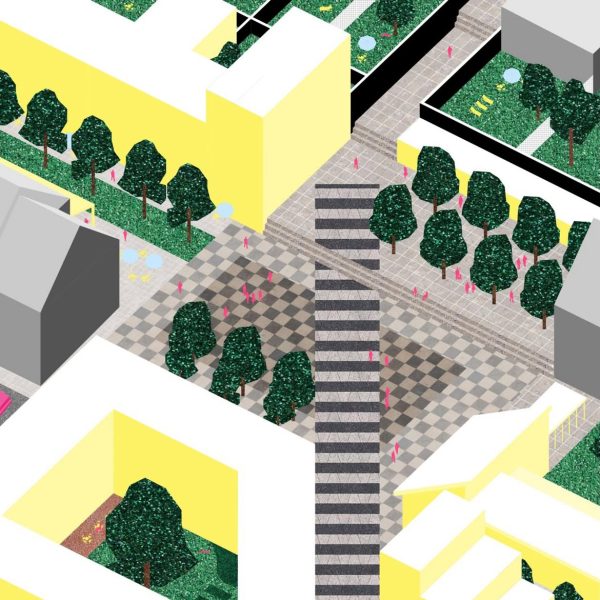
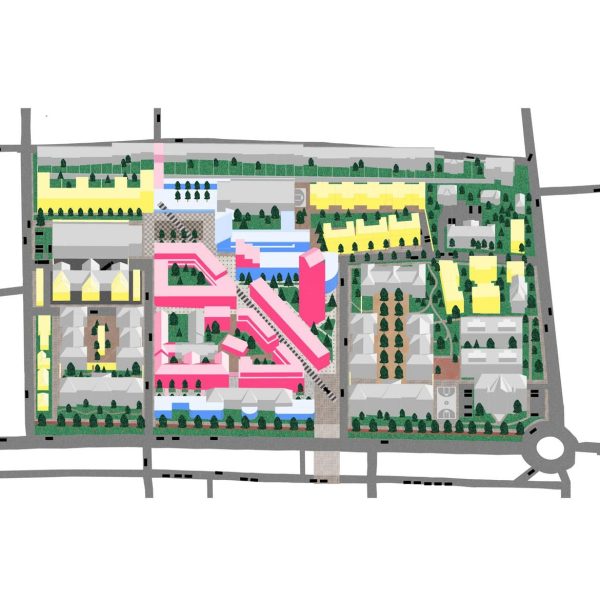
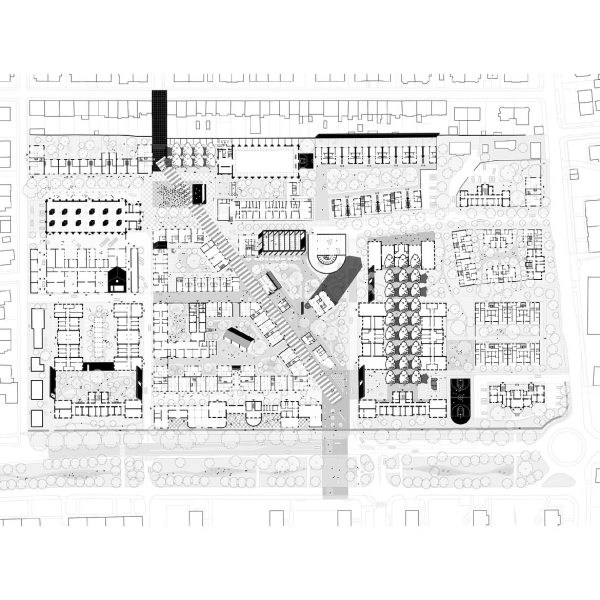
Today, the bridge seems distant and intimate – like a city without proximity, where people get lost in the intervals between buildings and public space loses its voice. It is the result of a violent disruption of continuity, a city stripped of its historical heart, identity and memory. Old Bridge will not return, but its qualities – closeness, tension, spontaneous encounters and intimacy – can be read in a new form. The project works with the idea of a collage of time and matter, typologically rich structures, contrast and the convergence of historical forms and new geometry. We design a structure that reduces distances, allows communication between houses and people and creates places silent and distinctive.
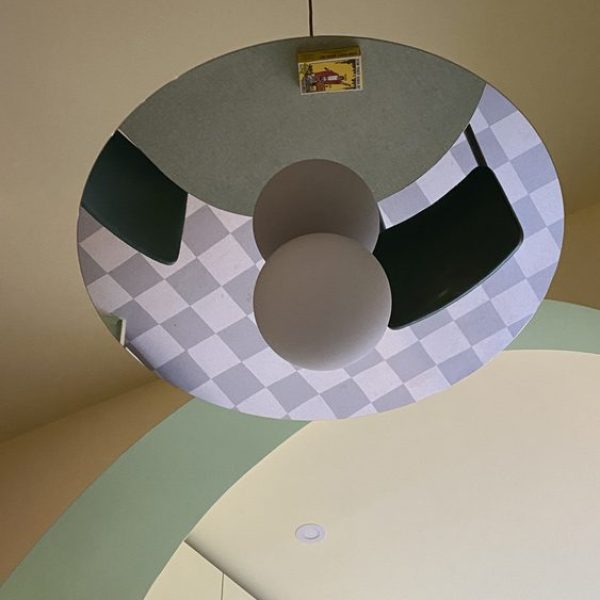
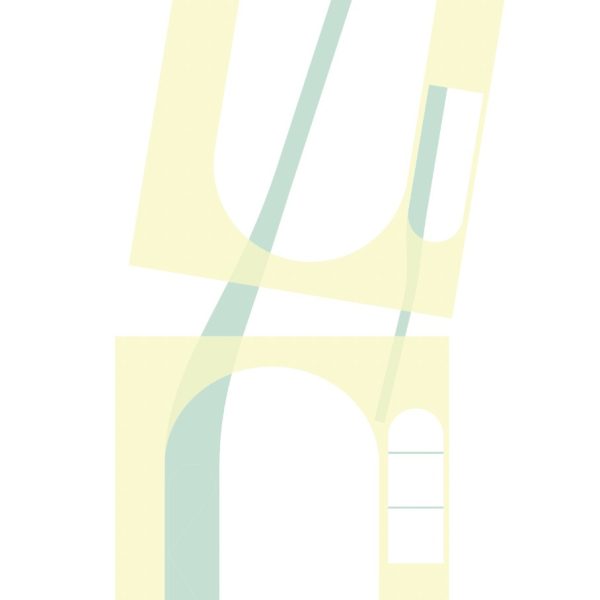
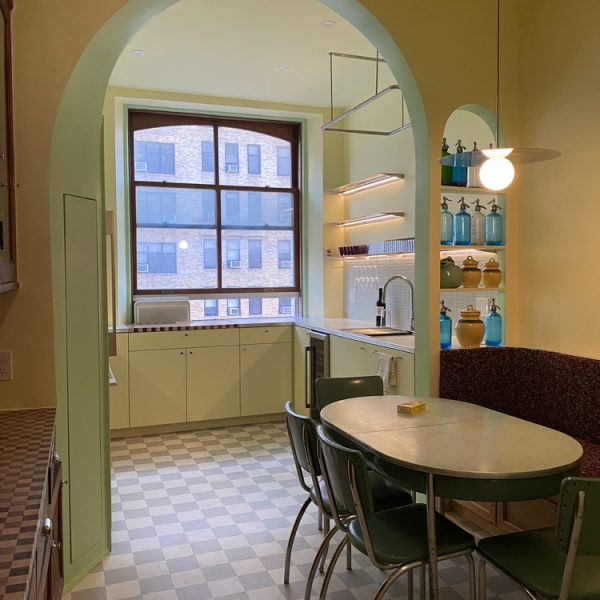
Soft Firm, Belnord Kommunalka + Mask Room
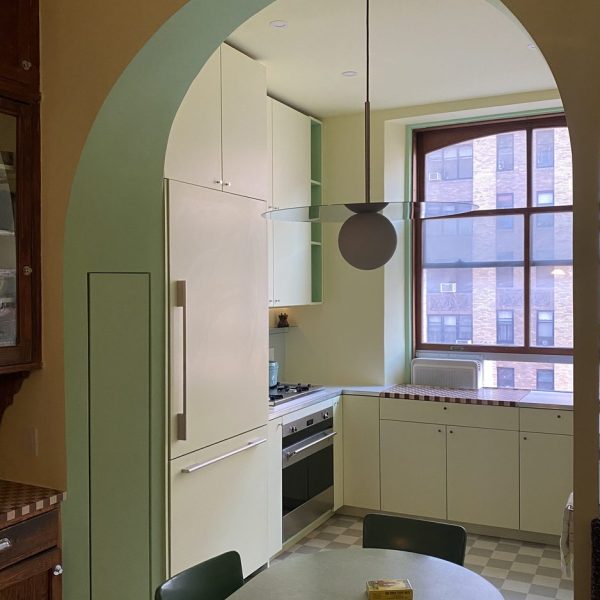
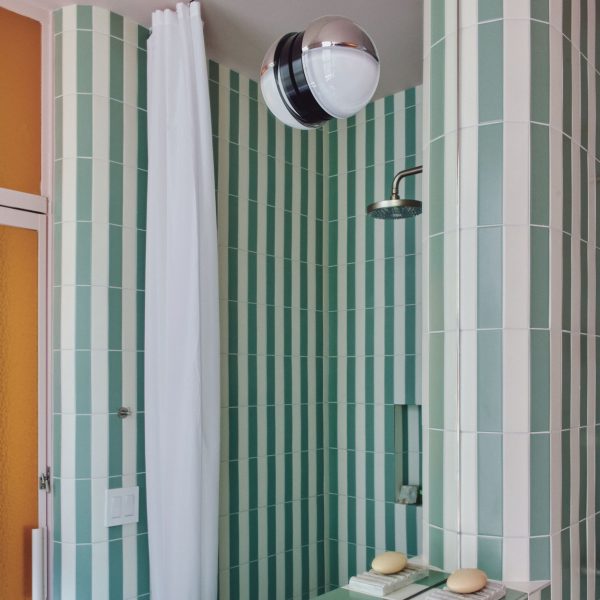
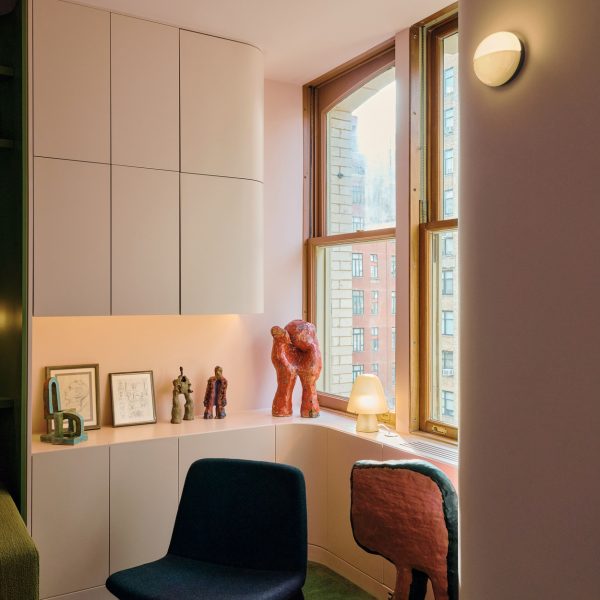
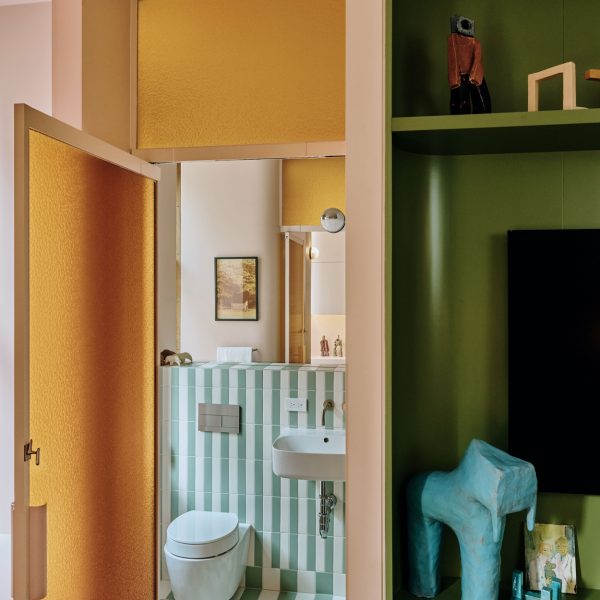
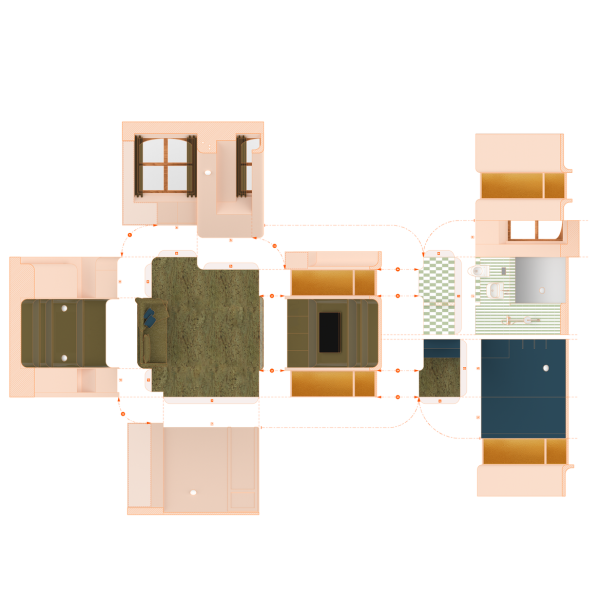
Shift Landmark, Office for Political Innovation
Shift Landmark
Climate is no longer an abstract idea or a distant threat. It is the system of relationships—between atmosphere, water, soils, living beings, infrastructures, and economies—that determines whether societies can endure and prosper over time. Today, this system is already shaping how cities function, how land is produced, how food is grown, and how value is created. Rotterdam, like many places around the world, is already operating inside this reality.
At a moment of tangible climatic disruption, the role of a Climate Landmark is to restore agency and the capacity to act together. The challenge today is not whether climate matters, but how it can be made present, legible, and useful for everyday decision-making—by communities, institutions, and enterprises alike. Resetting climate is therefore pragmatic, not apocalyptic. It means reconstructing the alliances between human and more-than-human life, and accelerating the transition from an era shaped by carbonization and extraction toward one grounded in regeneration, mutual care, and long-term viability.
Because climate is a system of relationships, it must be addressed where those relationships actually take place. More than 90% of the interactions that determine climate occur in what scientists call the Critical Zone: the thin yet immensely consequential layer extending from deep soils and aquifers up to the lower atmosphere. This is where geology, water, biology, agriculture, cities, and infrastructure intersect. It is where climate is produced—and where it can be changed. A Climate Landmark that does not actively engage the Critical Zone risks remaining symbolic rather than effective.
Rotterdam offers an exceptional context for this approach. The city itself is a constructed section of the Critical Zone. Meltwater from the Alps travels through the Rhine Valley, carrying sediments accumulated over millennia. These materials were engineered, drained, stabilized, and transformed through centuries of human intervention, producing not only land, but one of the central nodes of global trade and material circulation. Climate, geology, and enterprise are inseparable here. Rotterdam’s success has long depended on understanding climate not as an obstacle, but as a condition to work within intelligently.
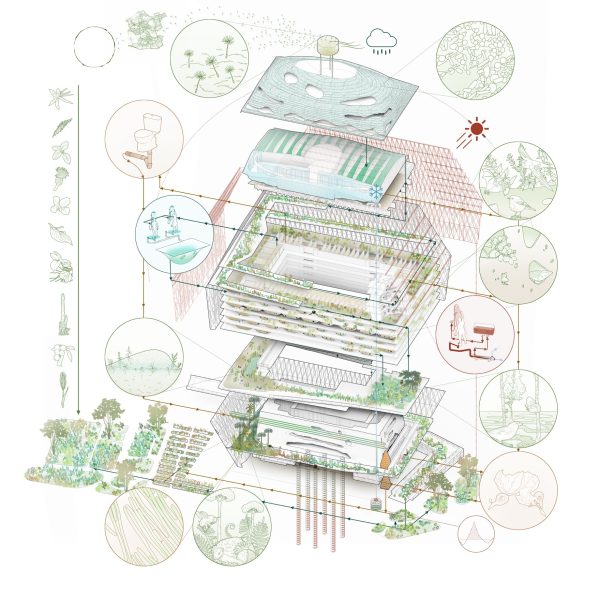
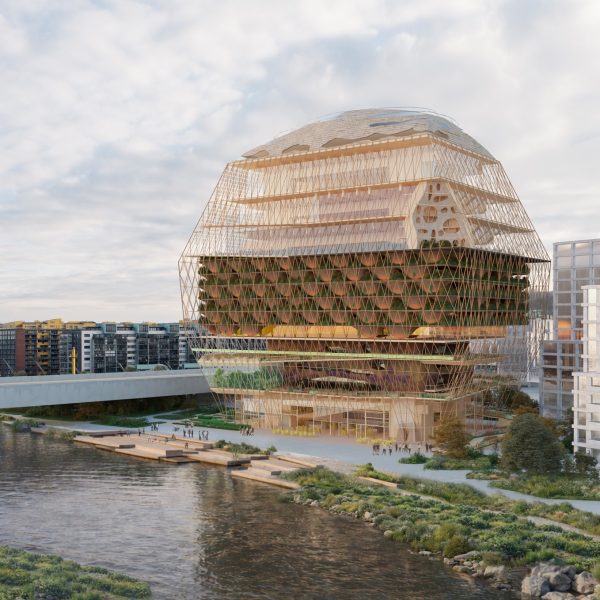
Climate Section builds directly on this legacy. It is not conceived as a conventional building, but as a vertical, inhabitable cross-section of the Critical Zone itself. From mineral layers to coastal systems, from urban and industrial processes to air and atmosphere, Climate Section allows people to move physically through the systems where climate happens. Climate is not observed from a distance; it is inhabited. This transforms climate from an abstract concern into a lived, actionable reality.
Climate Section functions as a live and connected Climate Navigation Deck for the Climate Age. Rather than hosting a fixed exhibition, it operates as a continuously updated platform that links Rotterdam to distant territories—glaciers, soils, deltas, and infrastructures—through real-time sensing and data exchange. A clear precedent for this approach is Italian Limes by Studio Folder, partners in our team, where sensors installed along the Alpine border between Italy and Austria track the shifting watershed as glaciers melt, causing the national boundary itself to move in real time. Climate Section extends this logic by making climate change legible as a shared condition, and action a matter of informed navigation rather than abstract response.
At the same time, Climate Section is an inhabitable alternative—a prototype of a climate-affirming way of life. It brings together the communities of Rotterdam South and the wider city with scientists, artists, entrepreneurs, policymakers, and civic organizations. Not to debate climate in isolation, but to build shared capacities through everyday experience. Visitors eat differently, breathe differently, rest differently, and observe differently. Climate action becomes tangible because it is lived.
The project is designed to generate eco-social abundance, not merely reduce harm. At ground level, geothermal energy supports a climate-controlled public square: a place for cafés, celebrations, bicycle workshops, cultural events, and daily gatherings. Hospitality and social life are integral to the project’s economic and civic viability.
Water, energy, and soil are treated as shared assets. Rainwater and greywater are collected, filtered through planted landscapes, and reused. Energy is produced through geothermal systems and building-integrated photovoltaics. Organic waste is composted and transformed into fertilizer, turning Climate Section and its surroundings into a center of fertility and biodiversity. At its upper levels, seeds are released into the air, linking the experience of ascent to regeneration beyond the site.
Finally, Climate Section is conceived as an infrastructure of more-than-human mutual care. It is not designed only for humans, but as a shared environment for plants, fungi, insects, birds, and microorganisms. Habitats are integrated throughout the structure, and even the hotel becomes a space of transspecies coexistence.
Climate Section proposes a new kind of landmark for the Climate Age: not a monument, but a working section through the world as it is becoming—a place where climate is sensed, understood, and actively reshaped, together.
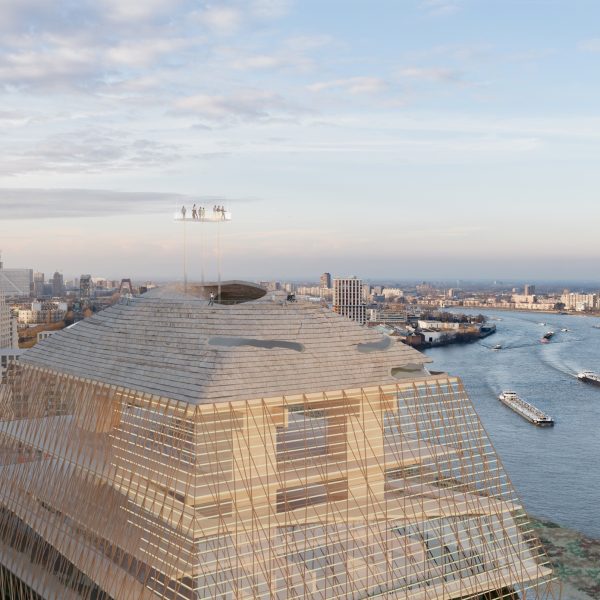
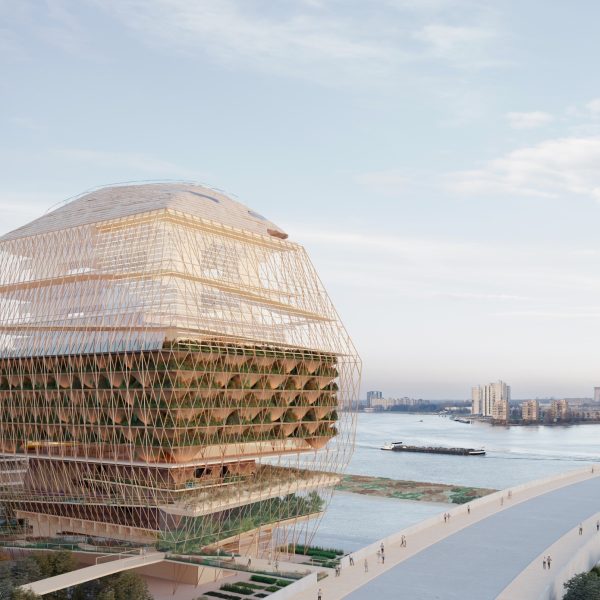
casa binôme, gon architects
casa binôme
Transformation of a duplex in the Conde Duque neighborhood in Madrid
A domestic intervention centered around the staircase as a place
“The first steps are always the most difficult.”
Instructions on How to Climb a Staircase,
- Julio Cortázar
Philippe, an investment manager by profession and a passionate admirer of design, architecture, literature, and contemporary art, hails from Plateau de la Brie, a town southeast of Paris. Today, he lives in a unique 80 m² interior attic, arranged as a duplex inside a 1900s building renovated in 2006, just a few meters from Madrid’s Plaza de España. The dwelling is notably narrow—only 3.25 meters wide—facing south, with a terrace on the lower level of the duplex that opens toward the imposing silhouette of the Torre de Madrid, a concrete skyscraper from the 1950s and the first of its kind in the capital.
When Philippe reached out to us, he did so driven by the desire to move house without actually leaving—wanting to stay in the neighborhood he loves, Conde Duque, but by reinventing the domestic space he had already lived in for five years. The apartment no longer fit his lifestyle—both social and deeply introspective. Over compartmentalization, bland hotel-style bathrooms, a terrace disconnected from the interior, a lack of space for books and artwork, and an oversized, disjointed kitchen all created an inefficient and characterless setting.
However, the element that most encapsulated the project’s challenges was undoubtedly the staircase: a monolithic welded steel structure, consisting of a single flight, whose rigid location and design generated a spatially inefficient layout riddled with leftover, unusable spaces. Despite serving merely as a circulation element, its presence was overwhelming in such a limited space—and it also acted as a barrier to natural light, darkening both levels.
The conceptual and constructive core of the intervention lies in redefining the role of the staircase in contemporary domestic architecture: not merely as a vertical connector, but as a spatial device—capable of integrating functions, generating fluid pathways, and creating new ways of inhabiting.
The first design decision was to relocate the staircase: it was shifted to the east wall of the dwelling, exactly opposite its original position.
This operation required opening a new void in the upper slab, which led to the near-total gutting of the interior, leaving, for several months, a single, continuous volume of 181 m³. This structural gesture unveiled the building’s skeleton—beams, columns, previously hidden orientations of light—and provided a sort of tabula rasa from which to rethink the entire home.
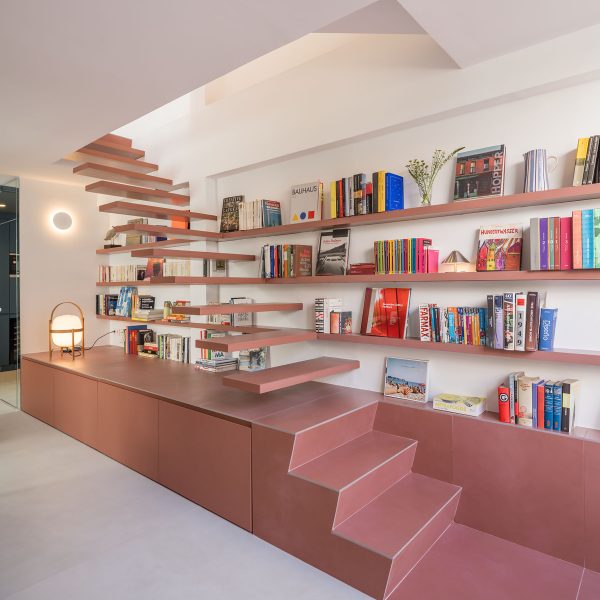
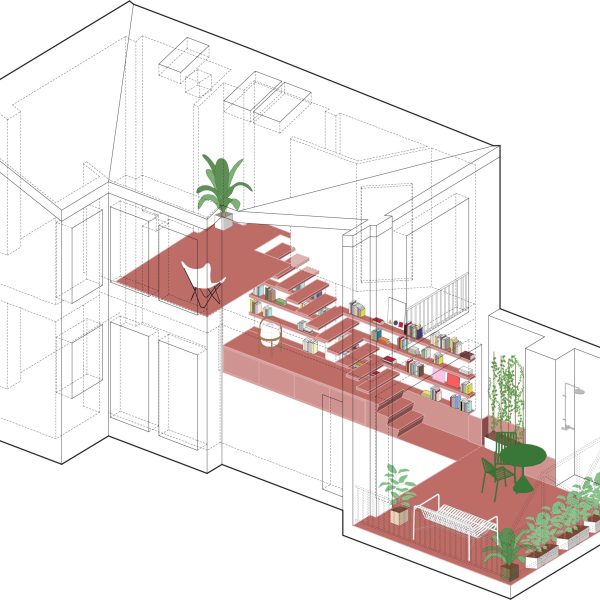
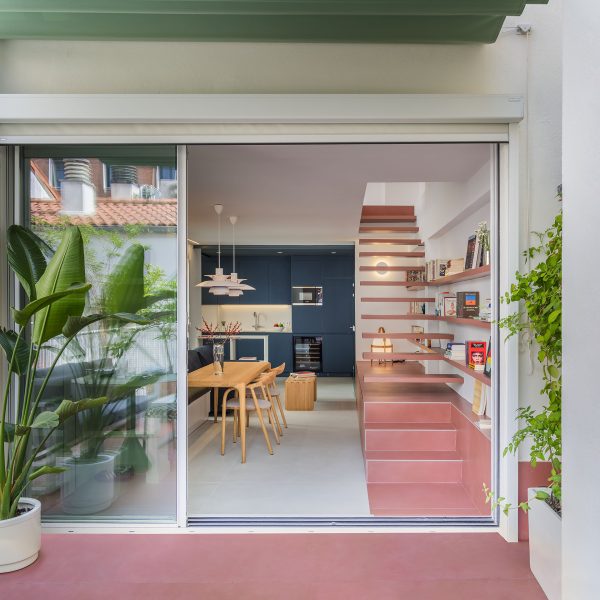
The new staircase was designed to blend seamlessly into the home, almost camouflaged within it. Between the existing metal columns, 7 cm thick steel shelves were inserted, some of which extend vertically (along the Z-axis) to become cantilevered treads, also 7 cm thick. These treads are resolved with a welded steel structure hidden within the wall. Below them, a compact, heavy volume was placed like a baseboard, its height matching the first three steps.
In contrast to the groundedness of the “plateau”, the staircase now floats—light and nearly invisible, ceasing to be merely a circulation element to become something much more: a shelf, a piece of furniture, a bench, a reading nook, a display area, or even a place for a nap. It is at once circulation, storage, and inhabitable space.
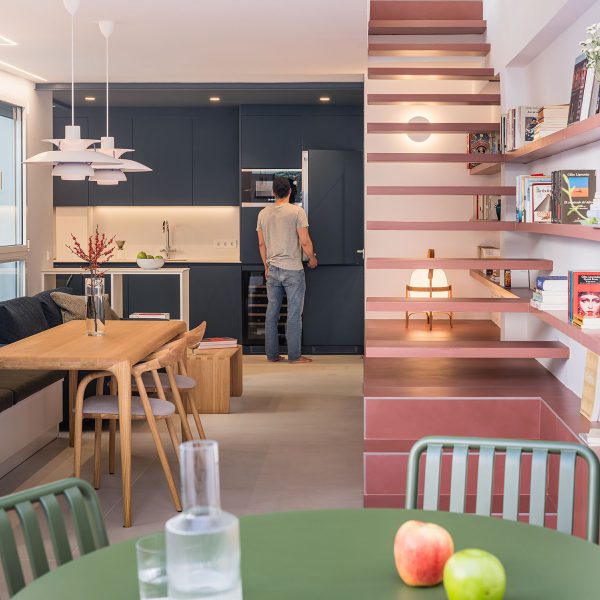
This staircase-furniture-shelving hybrid can be read as a spatial binôme, where the two conditions—connector and container—are inseparable. Its incorporation completely transforms the home’s organization, the flow of natural light, the relationship between floors, and the domestic experience. The lower level houses the shared social spaces (kitchen-living-dining room, terrace, and a small guest bathroom), while the upper level contains more private programs (two bedrooms, one bathroom, and a central flexible-use area). All rooms maintain a direct connection to the exterior, allowing for cross-ventilation and abundant daylight.
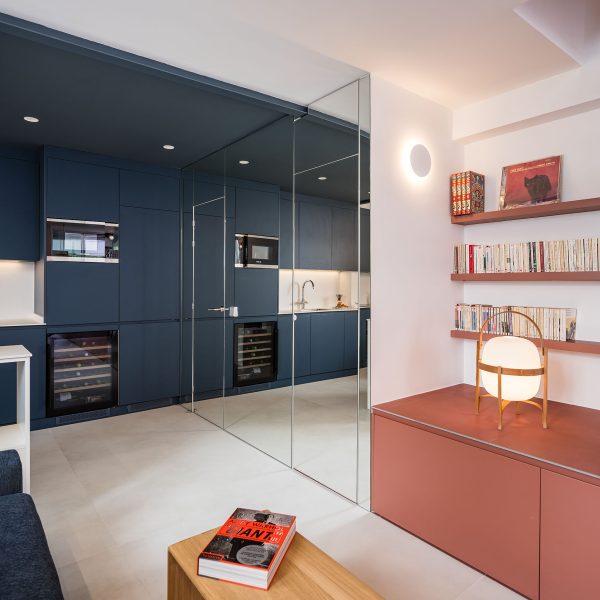
The home’s material palette subtly reflects Philippe’s French origins through the use of continuous ceramic flooring, inspired by traditional tomette tiles. These hexagonal (sometimes octagonal) terracotta tiles, common in southern France, retain heat in winter and cool interiors in summer. Here, they are reinterpreted in a contemporary large-format version (1.20 x 0.60 m), used both indoors and out. The tomette red blurs the boundaries between interior and exterior, reinforcing visual and spatial continuity between the two levels, which are no longer conceived as separate floors but as two connected exterior planes, joined by the staircase.
In contrast, other areas of the house—bathrooms, bedrooms, and kitchen—use the same ceramic format in grays and blues, introducing subtle chromatic variation while marking functional distinctions.
The project’s second major material presence is the use of mirrors, which clad the bathroom and master bedroom volumes on the lower and upper floors, respectively. These reflective prisms multiply space and objects, dematerialize boundaries, and create unexpected optical effects, depending on the time of day and how doors and panels are opened. They are two secret rooms that both reflect and conceal, amplify and soften, dissolve the massive and intensify the light.
Casa binôme is a home envisioned as a continuous exterior space—a complex intervention that enables Philippe to both socialize and retreat into deep privacy. A project that reflects on how a staircase—an element with such rich architectural history—when approached with sensitivity and precision, can offer a value beyond the strictly functional; becoming a transformative element, a stage for daily life, and the backdrop to Philippe’s everyday actions—from the kitchen to the terrace, among books, lamps, and artworks.
Red House, Pacarizi Studio
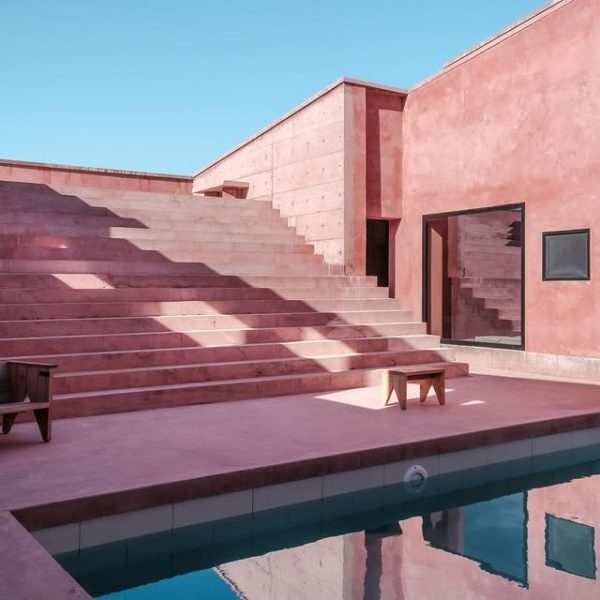
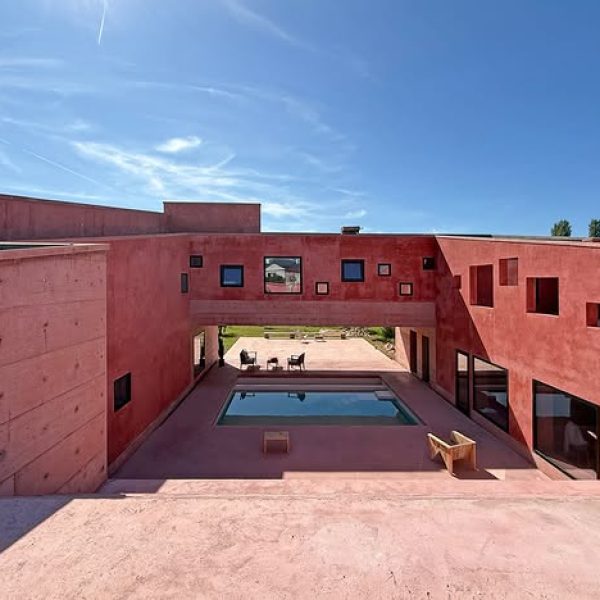
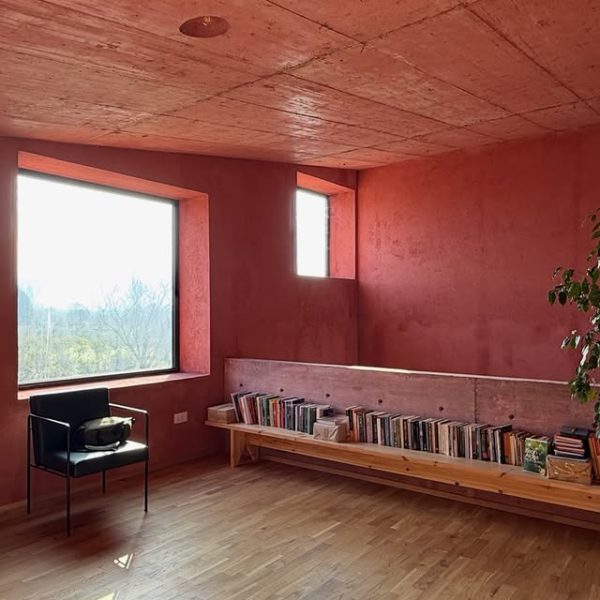
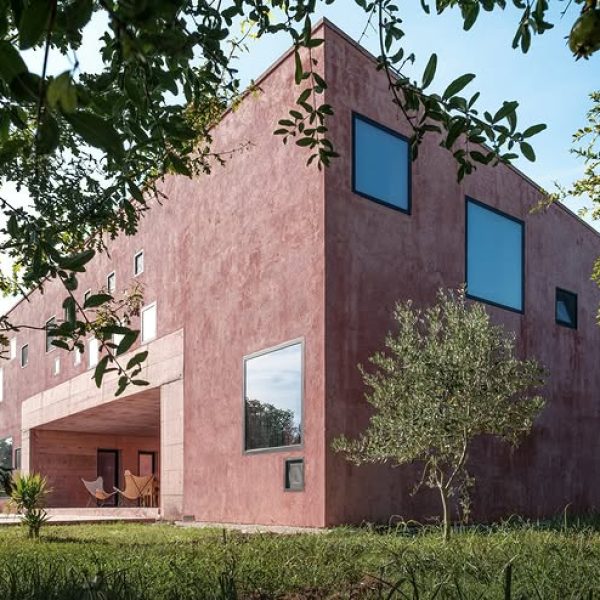
Red House reimagines the idea of a contemporary multigenerational home within the evolving social landscape of Albania. As single-family houses form the majority of the country’s built environment, changing family structures—marked by migration, aging populations, and shifting lifestyles—demand new architectural responses. Designed as a flexible home for a dispersed yet connected family, the project reflects a balance between tradition, climate responsiveness, and a simple, resilient way of living.
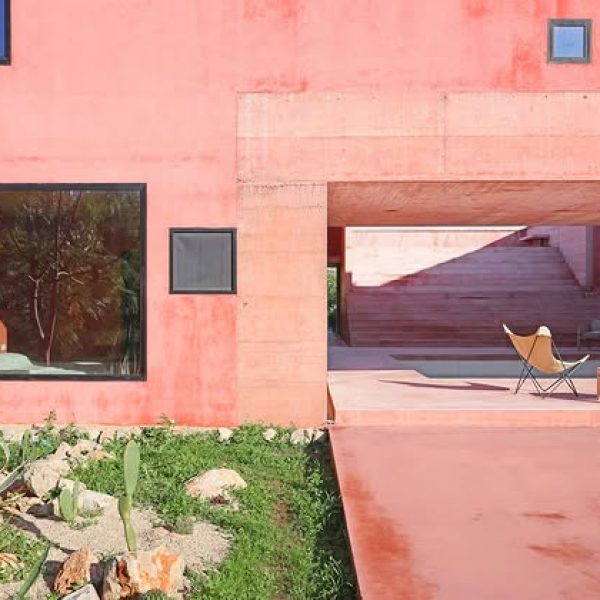
Situated within the garden of a coastal village, the house is conceived as an inward-looking courtyard dwelling. Surrounded by olive, pomegranate, and orange trees, the built volumes frame a central open court with a swimming pool at its heart. This courtyard acts as the primary living space during the warmer months, linking the different parts of the house while opening views toward the surrounding landscape.
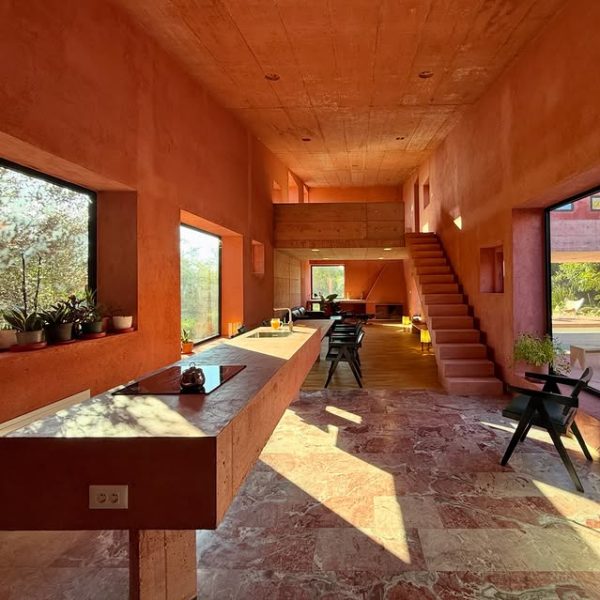
A large staircase extends the courtyard experience upward, connecting the ground level to the roof terrace and revealing distant vistas of the countryside. The partially covered courtyard creates a theatrical spatial moment where architecture frames both nature and itself—allowing windows to capture views of trees, sky, and the surrounding built forms.
Sustainability is embedded through a low-tech and local construction approach. The concrete structure is wrapped with thick hollow brick walls, while insulation and plaster are made from a natural mixture of straw, sand, lime, and casein. Red iron oxide pigments give the house its distinctive colour, creating a breathable, durable surface that will never require repainting.
Through local labour, natural materials, and thoughtful simplicity, Red House becomes an architecture rooted in place—celebrating village life, climate awareness, and the quiet beauty of everyday living.
Bantikow E, S2 Visual
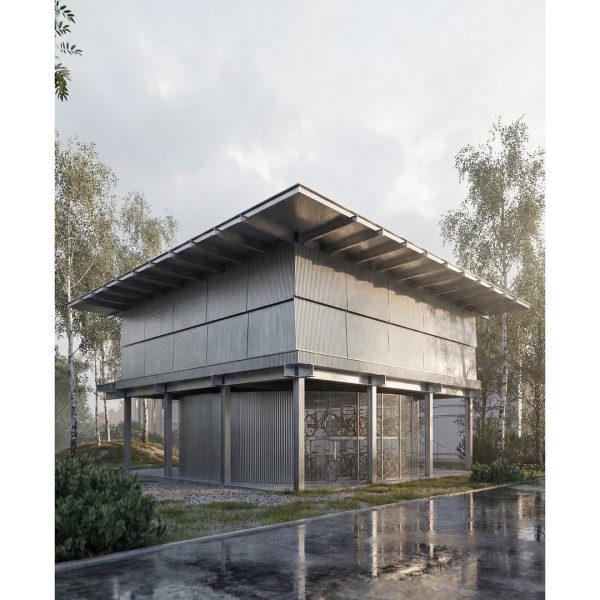
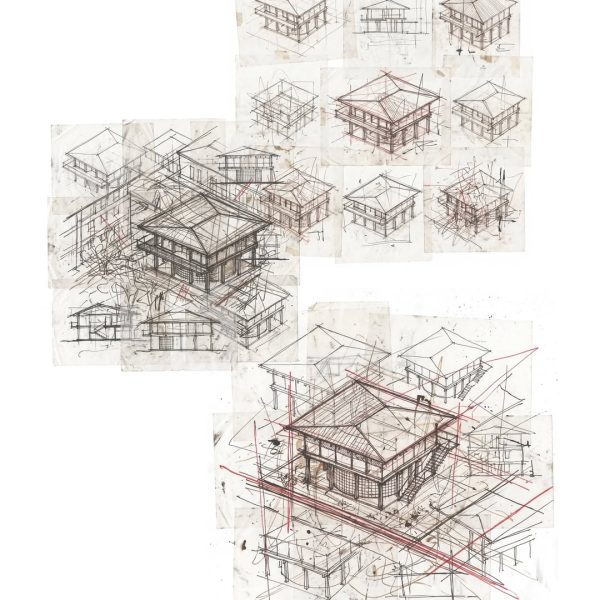
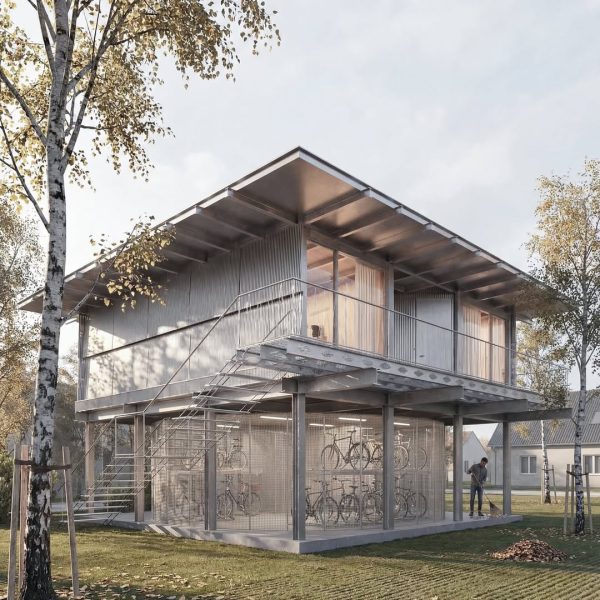
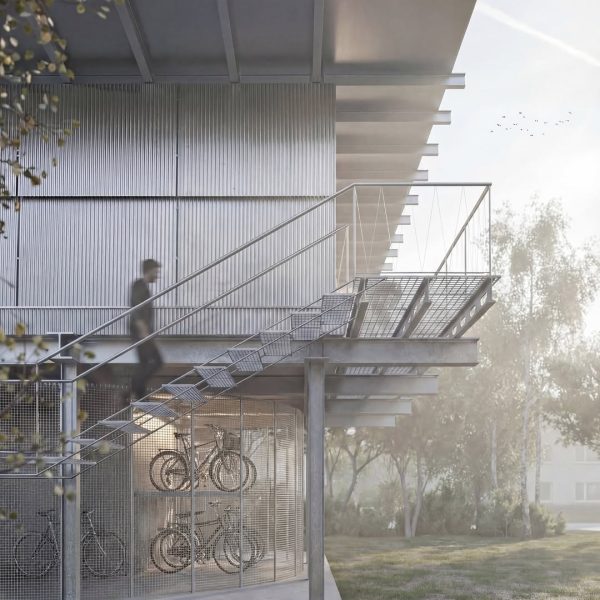
Bantikow E is conceived as a compact infrastructural structure serving a residential complex in Banikow. The project is driven by the ambition to achieve architectural lightness within a strictly limited external footprint. Rather than extending horizontally, the volume is lifted above ground and organized vertically, reducing its physical impact on the site.
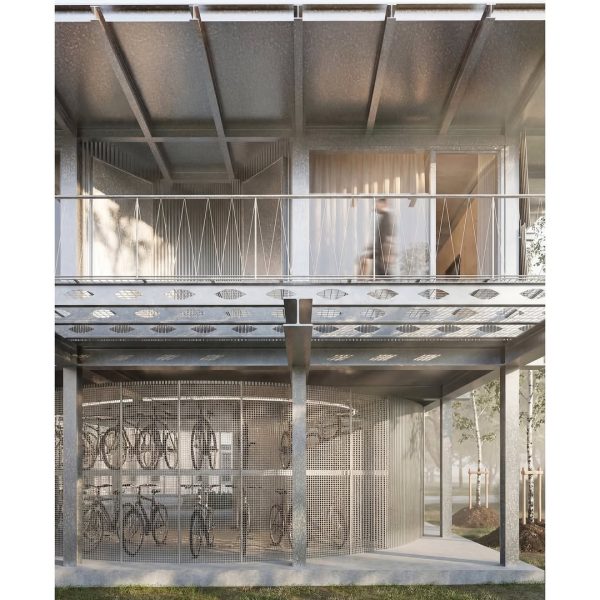
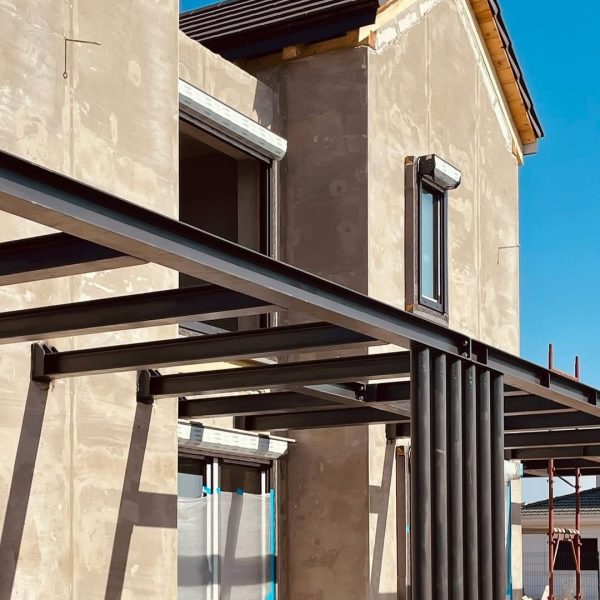
The building is defined by a clear steel frame composed of slender columns and exposed beams. Elevating the upper volume creates a permeable base and diminishes the perceived mass of the structure. The ground level, enclosed with curved steel mesh, remains transparent and naturally ventilated, expressing its infrastructural character without additional formal gestures.
The architectural language draws from rural and utilitarian precedents such as elevated barns and lightweight agricultural shelters. Corrugated metal cladding, galvanized steel elements, and a restrained material palette emphasize durability and structural honesty. A generous roof overhang provides climatic protection and establishes a strong horizontal line that visually stabilizes the elevated form.
The project relies on proportion, structural clarity, and material precision. Lightness is achieved through elevation, permeability, and a disciplined reduction of the building’s external outline to its essential tectonic frame.
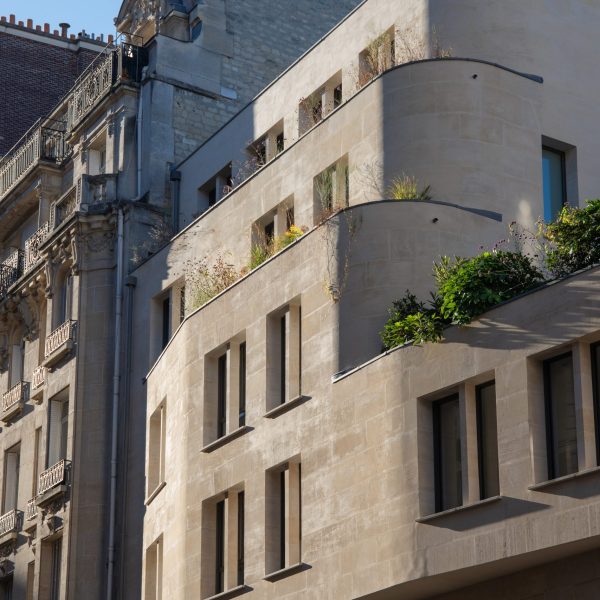
57/57bis rue Spontini, 75016 Paris, SO/AP Architects
Spontini, a wood and stone story
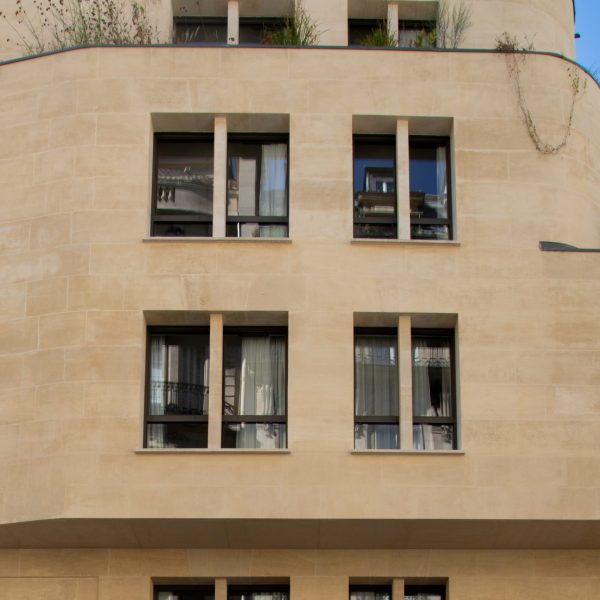
The building is located in the 16th arrondissement of Paris, on an atypical plot created by the early 20th-century opening of Rue Thiers, where a small corner garden once stood. The building comprises 5 residential units totalling 500 m² and two office spaces totalling 1,000 m², for a combined floor area of 1,500 m². The design favors sobriety and dialogue with the existing post-Haussmannian fabric. Rather than maximizing the buildable envelope allowed by planning rules, the project deliberately steps back to preserve the visual legibility of the neighboring 19th-century building’s gable wall. The facades curve and fold to follow the urban perspectives typical of a corner plot, while echoing the horizontal rhythms of adjacent buildings at varying street levels. Nearly 100 m² of planted rooftops and terraces extend Paris’s green network and contribute to stormwater management.
An innovative hybrid structure
The construction combines massive stone facades, timber framing, steel structure, and concrete. Its structural originality lies in the load-bearing stone facade, which directly supports CLT timber floor panels resting on transverse steel frames. Concrete beams and walls handle the cantilevered facade overhangs and upper-level setbacks. A timber-framed wall with external insulation is used on the courtyard side as it is a pragmatic and economical approach echoing historical construction logic.
Two local stones
Two regional stones were selected for their mechanical and aesthetic properties. Euville limestone (Meuse), denser and more compressive-resistant, is used at ground level to carry the upper floors’ loads, as well as for window sills. Saint-Maximin stone (Oise), lighter and smoother in finish, clads the upper levels and harmonizes with the surrounding buildings’ color palette. The transition between the two stones is marked by a recessed joint, continuing the Parisian tradition of a robust base topped by a lighter facade. Stone blocks are large-format, with bed heights ranging from 43 to 60 cm, widths up to 120 cm, and depths of 30 to 40 cm. Wide bays feature flat-arch lintels with a mullion concealing the aluminum window frames, while the underside of the cantilevered section is clad in stone panels bonded to a honeycomb backing, aligned with the overall facade coursing pattern.
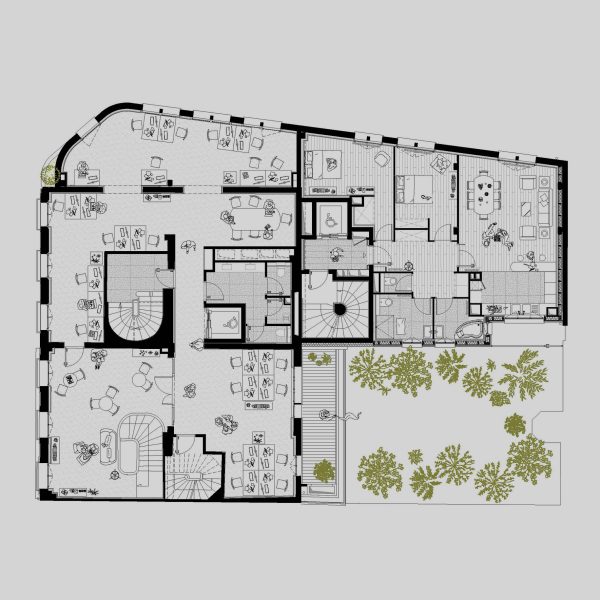
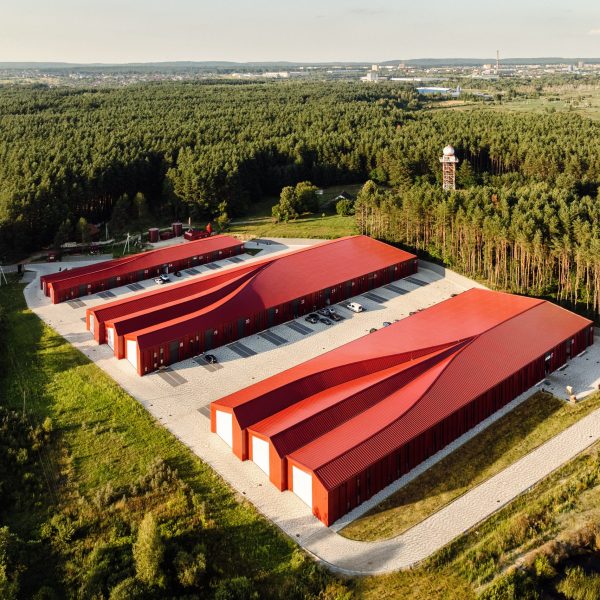
Prostir Business Hub, Aranchii Architects
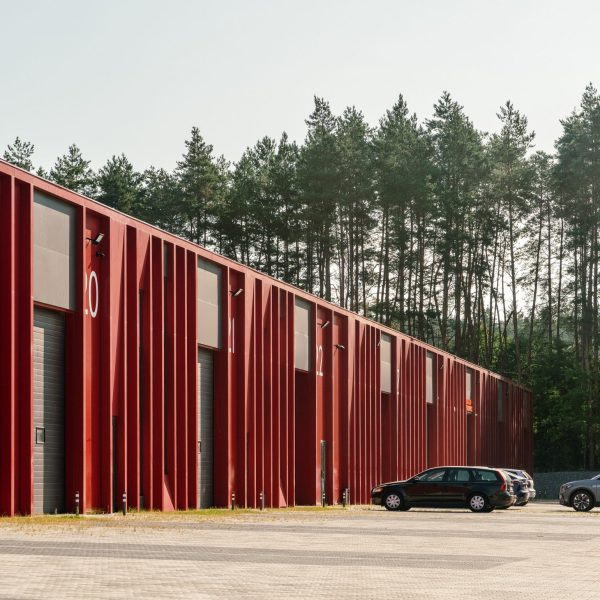
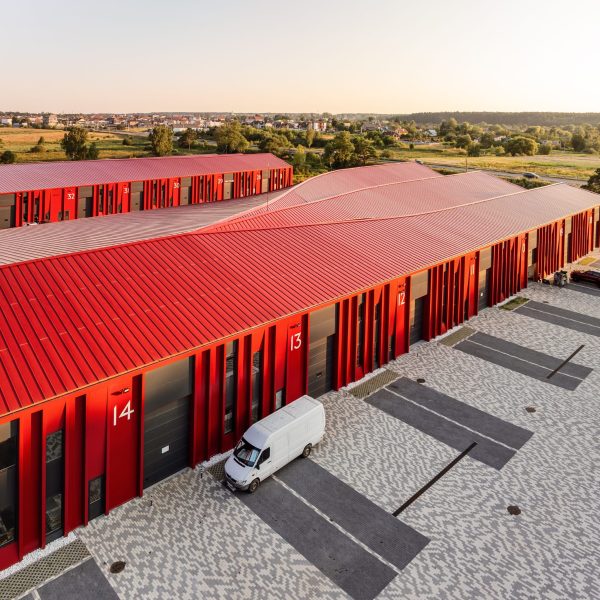
Located in Zymna Voda along Lviv’s Circular Road — a region that has become Ukraine’s main logistics hub since the onset of the full-scale aggression — PROSTIR Business Hub comprises three modular buildings with a total area exceeding 12,000 m².
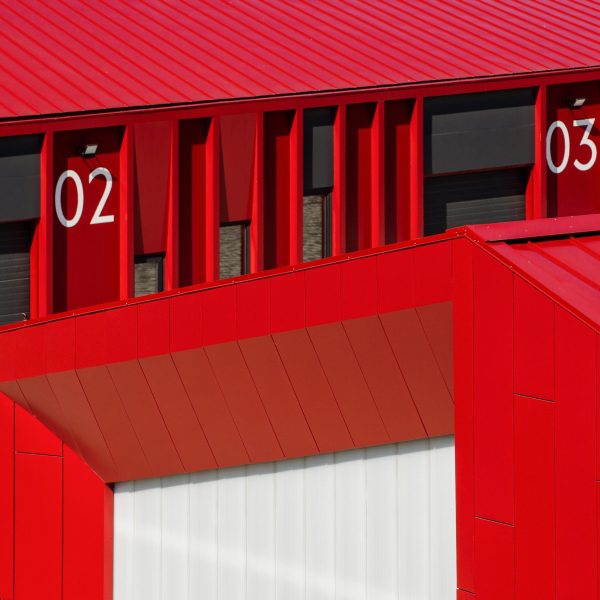
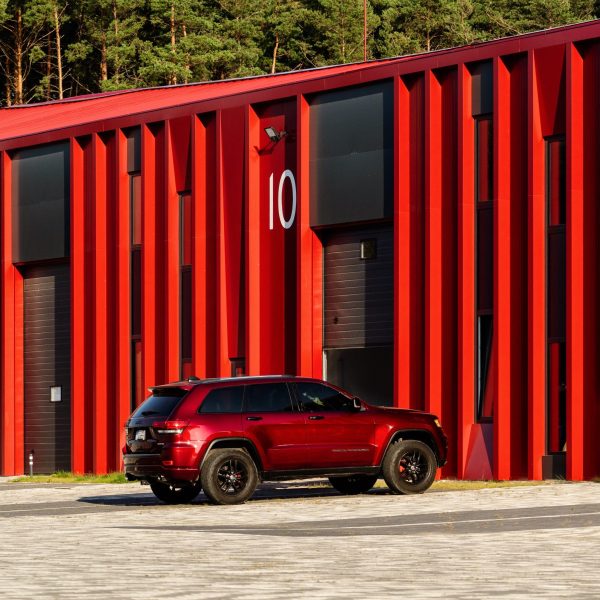
The complex integrates office, retail, and storage functions within a rhythmic composition of pitched roofs. Its vivid red “Falun” façades form a strong contrast with the industrial surroundings while resonating with the familiar geometry of suburban gabled houses. The architecture flows from a domestic to an industrial scale through a series of smooth, horizontal transitions that blend with the terrain yet stand out through colour and rhythm, creating a recognisable new landmark for the area.
The key concept is the metamorphosis of geometry — from the individual to the collective, from human to industrial. This philosophical and spatial idea reflects how distinct companies, each with its own identity, coexist within a shared ecosystem, forming a community rather than a mere cluster of enterprises.
The architectural form gradually transforms from separated gabled modules into the continuous horizontality typical for logistics. Positioned along the slightly elevated Circular Road, the ensemble was shaped through computational form-finding so that its entire silhouette remains visible from a driver’s perspective.
The terraced and bifurcated pitched roofs generate a dynamic, wave-like rhythm, allowing the complex to be perceived from multiple angles in motion. Transparent end façades, oriented towards the highway, enable showroom functions and visual openness, while longitudinal façades articulate vertical rhythm through offset two-level window strips.
Modularity ensures flexibility: each tenant can choose a unit defined by the column grid — offered in two span types — and adapt the internal layout freely to specific operational needs while maintaining visual coherence across the whole ensemble.
Quentin Barthe, Tom Patenotte, Martin Gaufryau
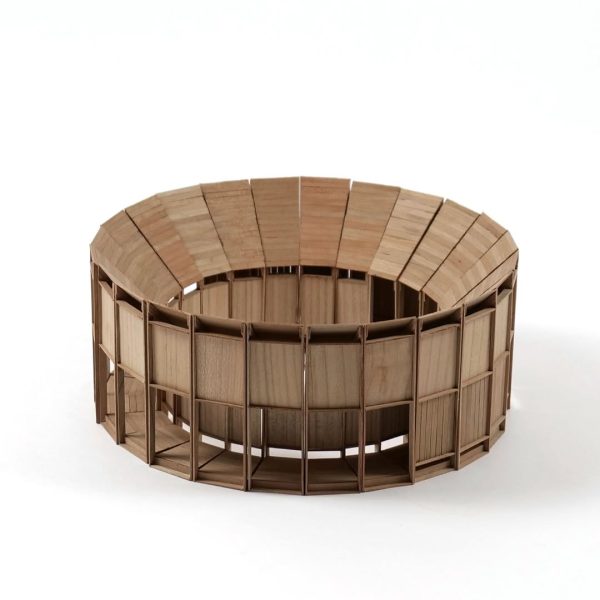
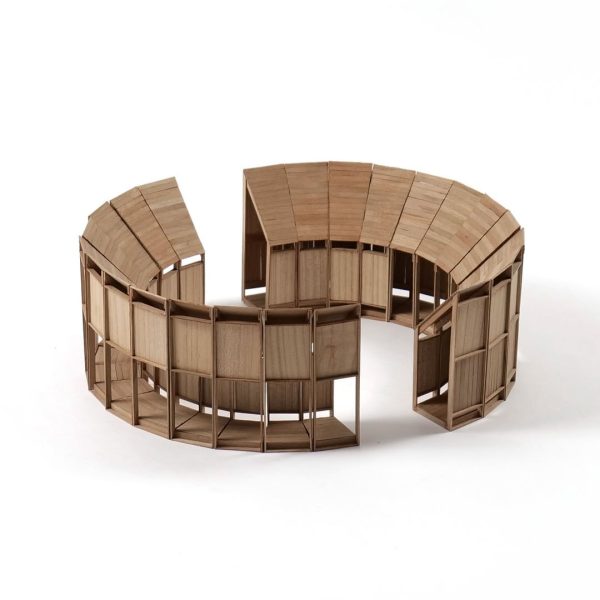
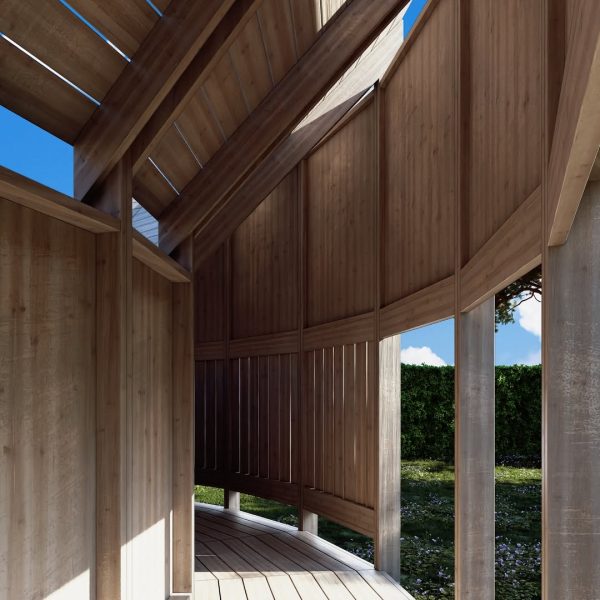
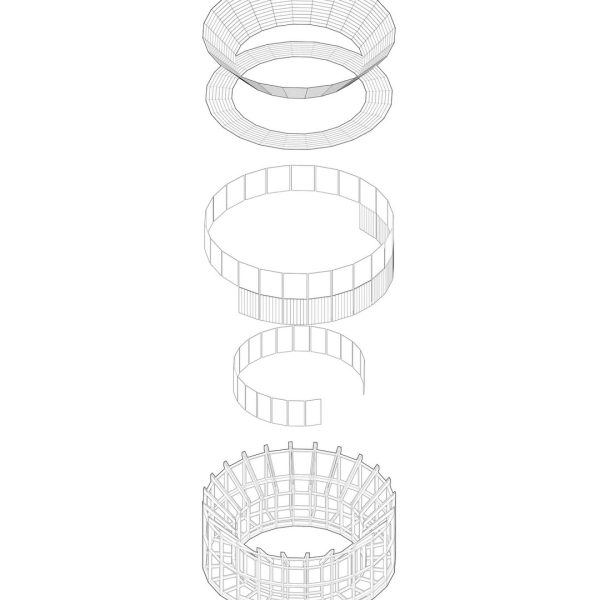
In a quadrati (enclosed area) within the gardens of the Villa Medici, a majestic pine tree reaches for the sky. Its presence, however, remains discreet, so rich and luxuriant is the vegetation, architecture, and city below. “In Praise of the Pine” offers a poetic reinterpretation of the Roman enclosures that once housed ancient rivalries such as the venationes (hunts) and the munera (hunts). The public, traditionally spectators in the stands, is invited to enter the arena. They thus have the opportunity to commune with nature by rediscovering the roughness of the tree’s protective bark and contemplating its crown, their eyes raised to the heavens. Shaped like a crown, the pavilion features an inverted roof that acts as a raised floor. While serving as a setting, it also redefines the promenade space within the quadrati.

Épigraphe Architectes
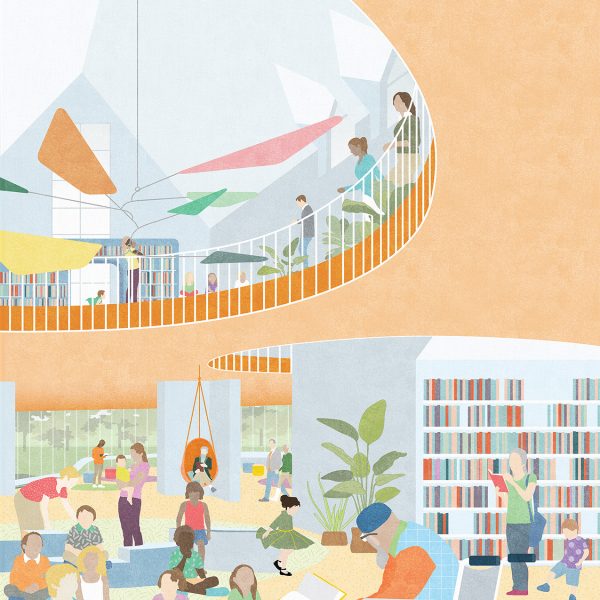
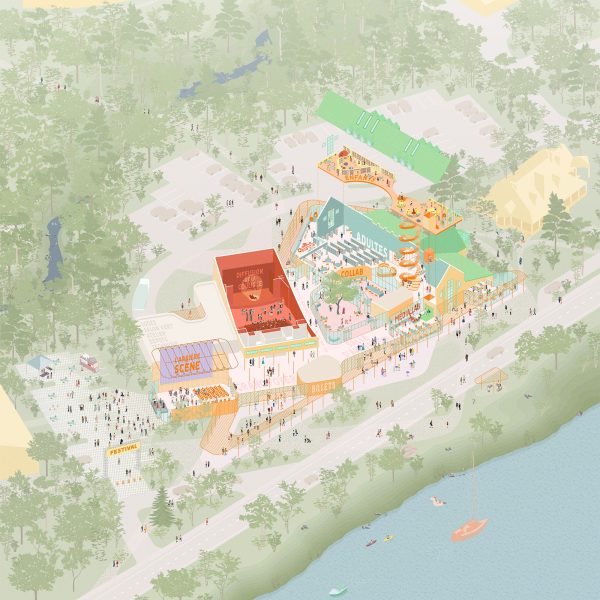
Our team has maintained a close connection with the city of Beloeil for over 50 years, having lived in and contributed to the development of public and democratic spaces. Our proposal for the architectural competition to redevelop the Aurèle-Dubois cultural center stems from this deep sense of belonging, familiarity, and intimacy that we have cultivated with this place over the decades. The center we envisioned is rooted in the beauty and intrinsic potential of the site. The serenity of the Richelieu River and the majesty of the natural park behind the building are essential elements that we sought to highlight. We imagined a project that reinvents the relationship between users and nature by blurring the boundaries between architecture and the natural environment.

Atelier Fanelsa
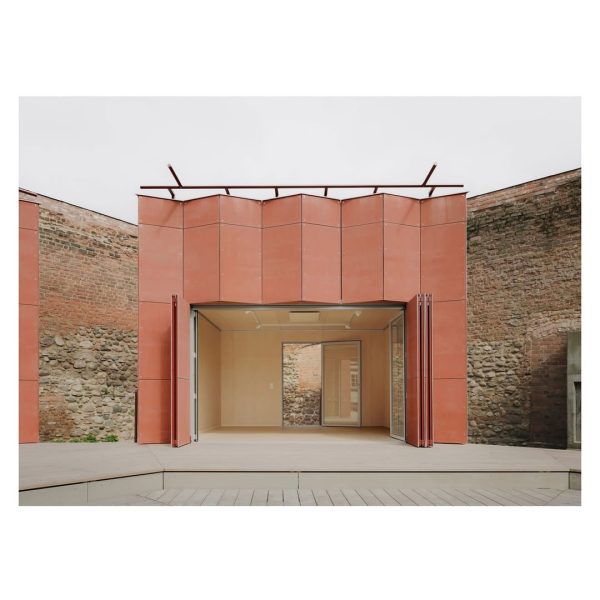
The new Burghofbühne in Beeskow consists of three pavilions with an outdoor stage in the middle of the listed ensemble of the castle complex. The culture center of Oder-Spree district uses the buildings and outdoor stage as a performance venue for actors and musicians, or as a small gallery between seasons. Predominantly, geo-based and bio-based building materials were used for the buildings. Foundations and therefore the use of concrete could be reduced to a minimum by elevating the building. All courtyard facades can be generously opened thanks to the folding shutters and sliding windows. When closed, the elegant pavilions blend in with the red brick castle wall behind them.


MAD
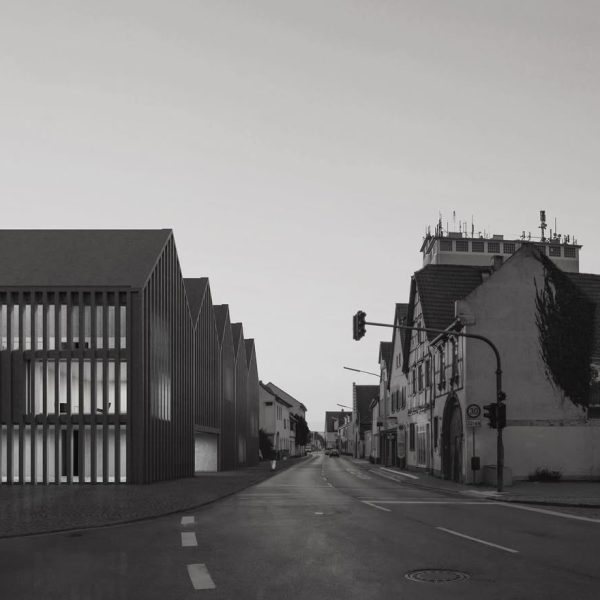
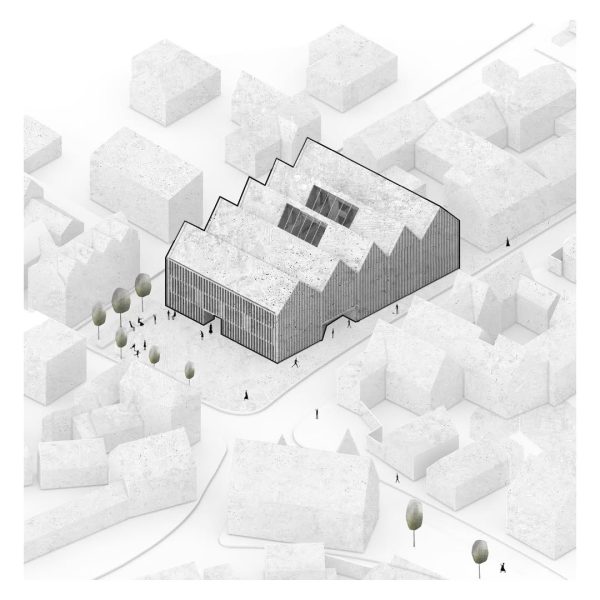
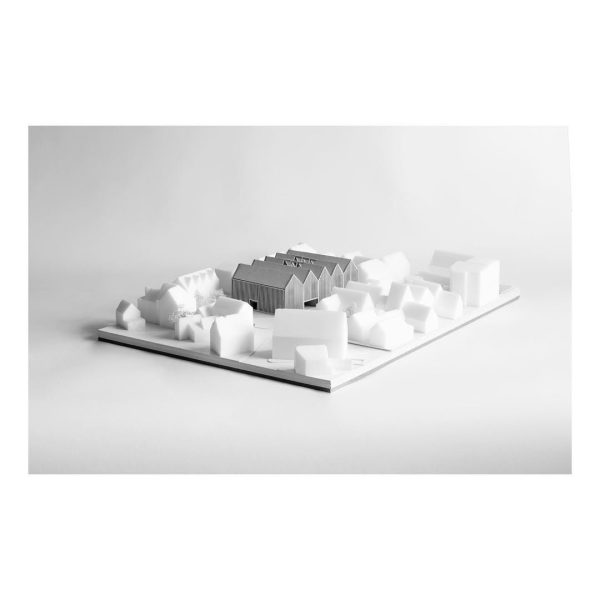
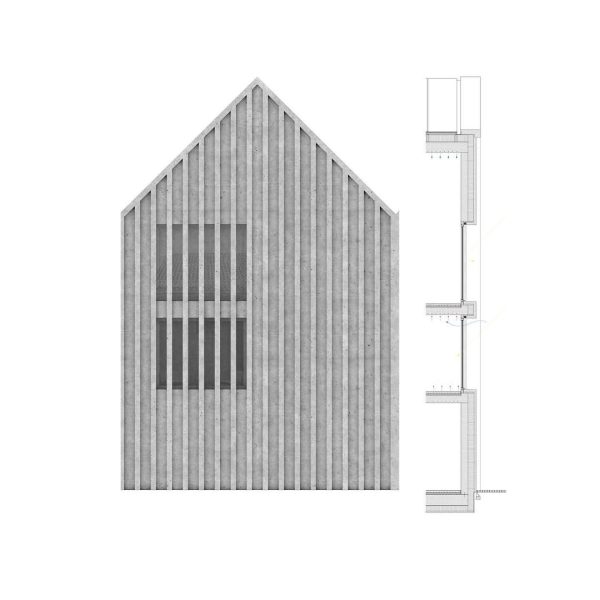
The design of the new town hall is influenced by both the townscape and the architectural style, which is characterized by small-scale buildings with gabled roofs. The building history of the site to be planned also features a courtyard structure with individual gabled houses whose gables face Borngasse. This gave rise to the basic idea of taking the small-scale nature of the site into account and repeating the arrangement of the gables in order to preserve the silhouette of the cityscape. By incorporating this courtyard structure, five building structures were created, which are strung together to form an abstract monolith. The central access element of this structure is an atrium cut out of the building, which is reached via the immediately adjacent and easily accessible entrance area.
Atelier Berger Milà
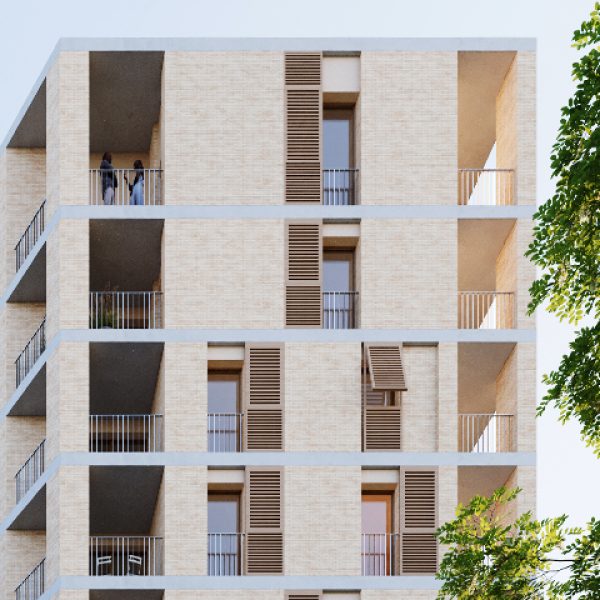
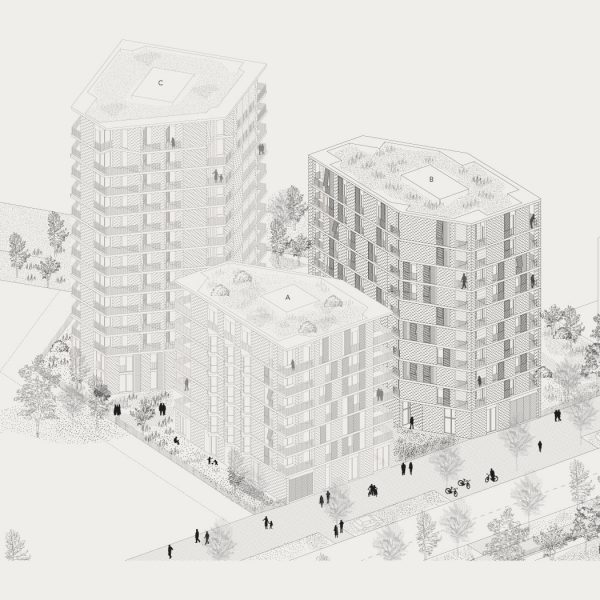
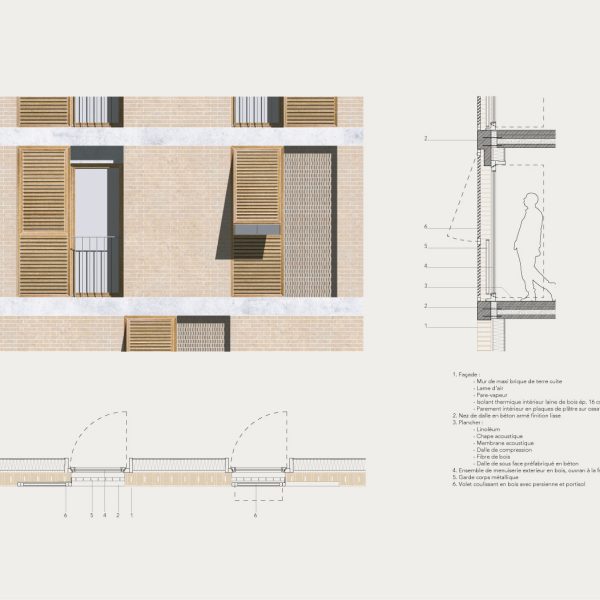
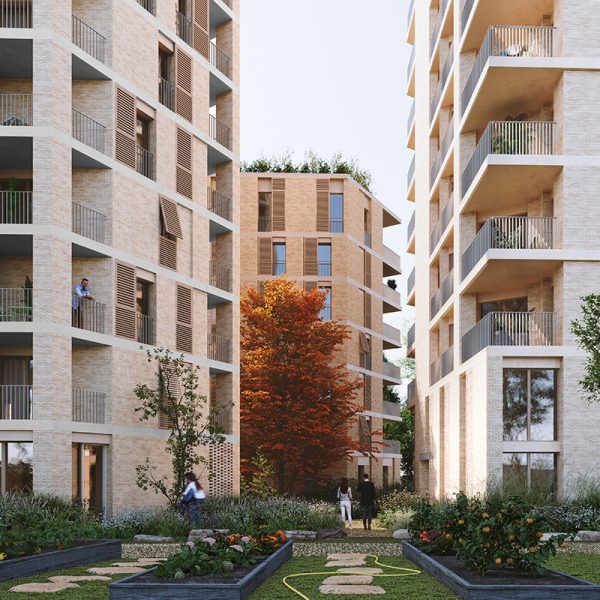
100 social housing units in Villejuif’s Campus Grand Parc, winning project.
The façades of the three brick buildings unfold in space, orienting views through to the greater landscape as the big Parc de Bruyères to the south and the brutalist water towers to the north. The compact, prismatic volume of the three monoliths offers double-oriented apartments that reinforce the relationship between residents and their environment.
Sebastian Mercado
Inspired by Mexico City, La Alameda envisions a refuge that reflects the vitality and tradition of its urban context. Two main volumes, articulated through interior courtyards, harness natural light to create a serene and ever-changing atmosphere. Pigmented concrete vaults filter light indirectly, while the use of local materials and techniques reinforces its connection to the city’s constructive identity.


313 Design and Architecture
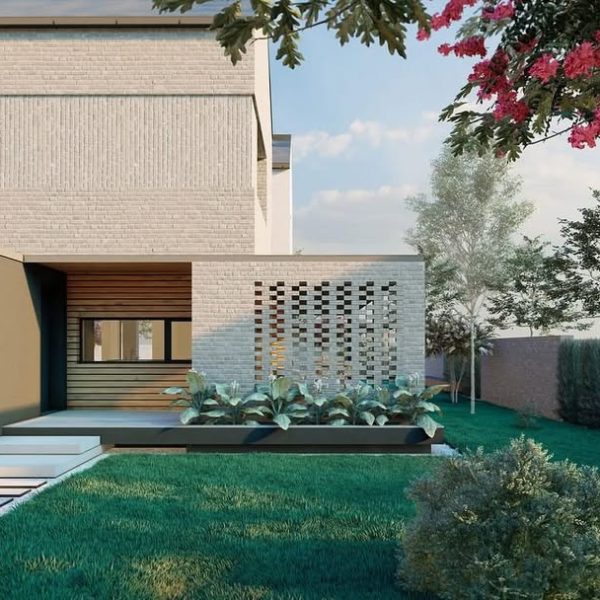
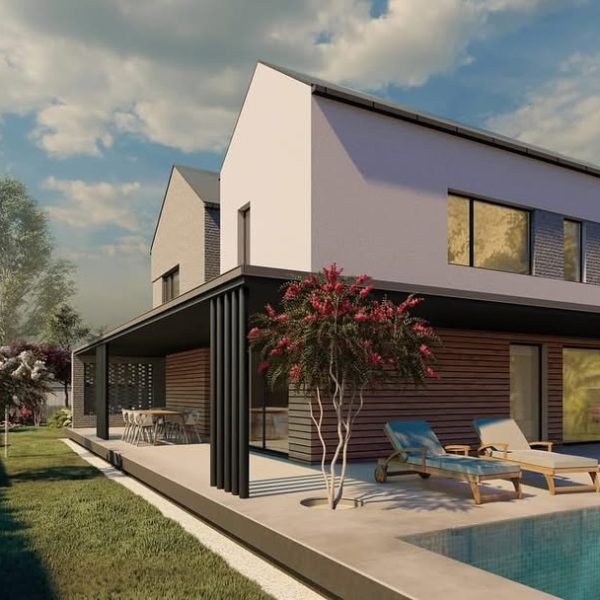
Core House

© 2025 International Forum for Architecture.